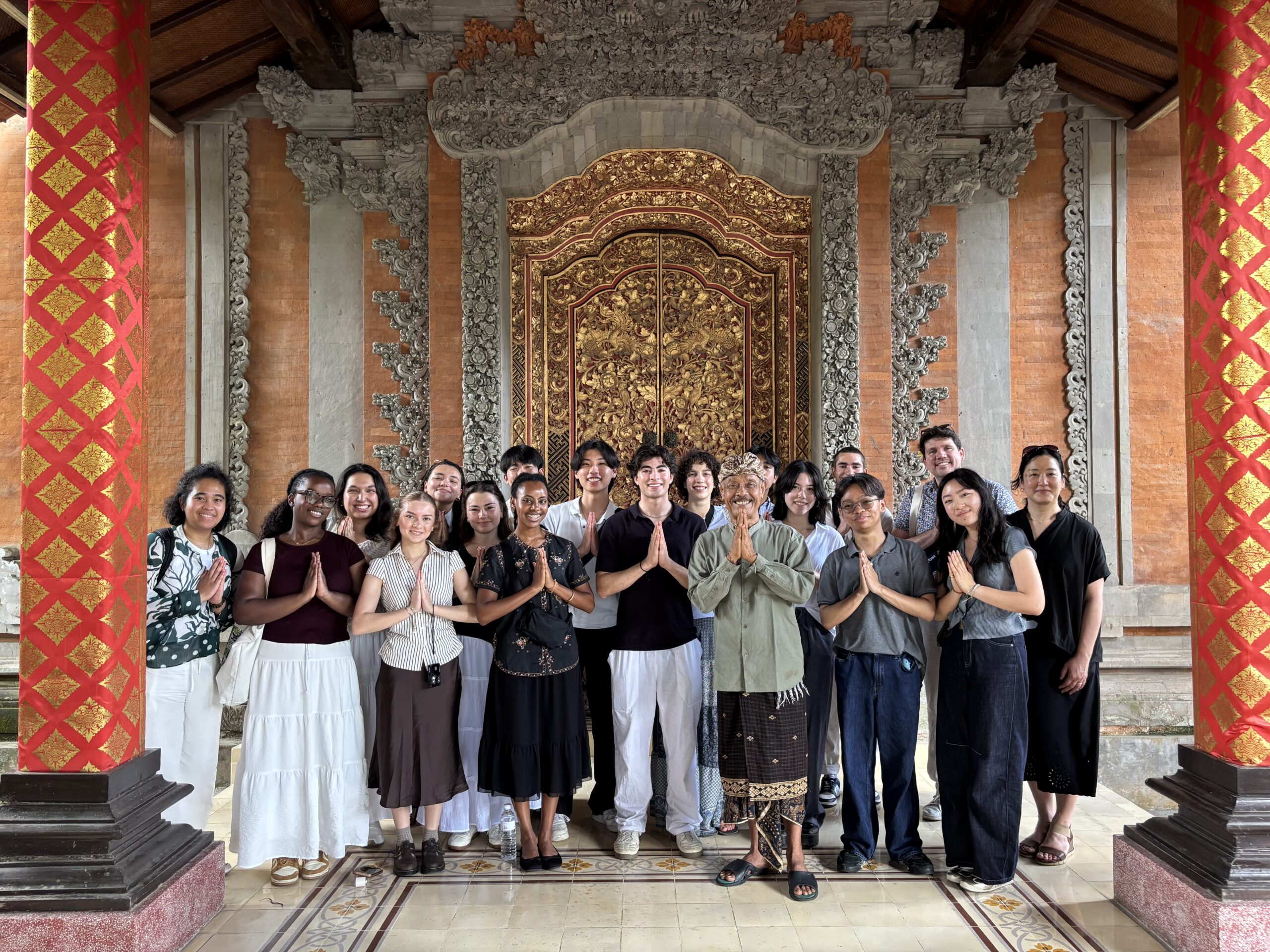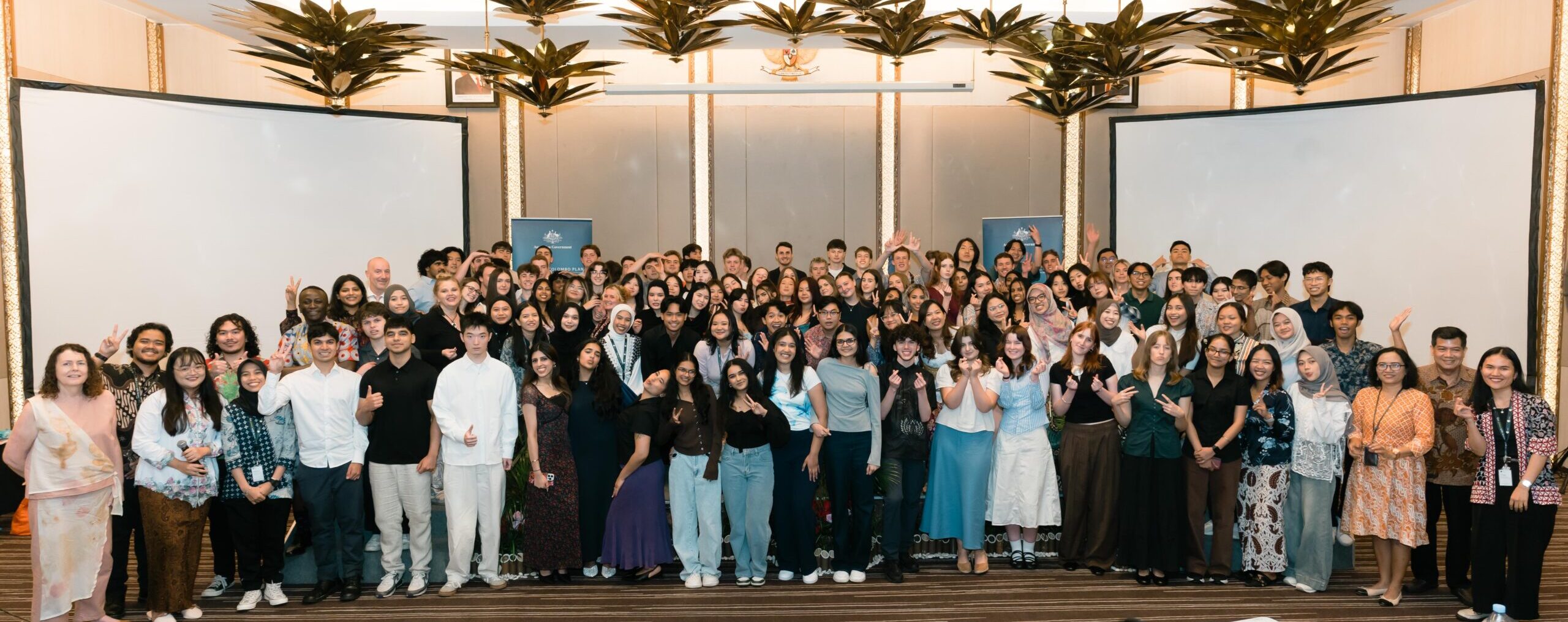

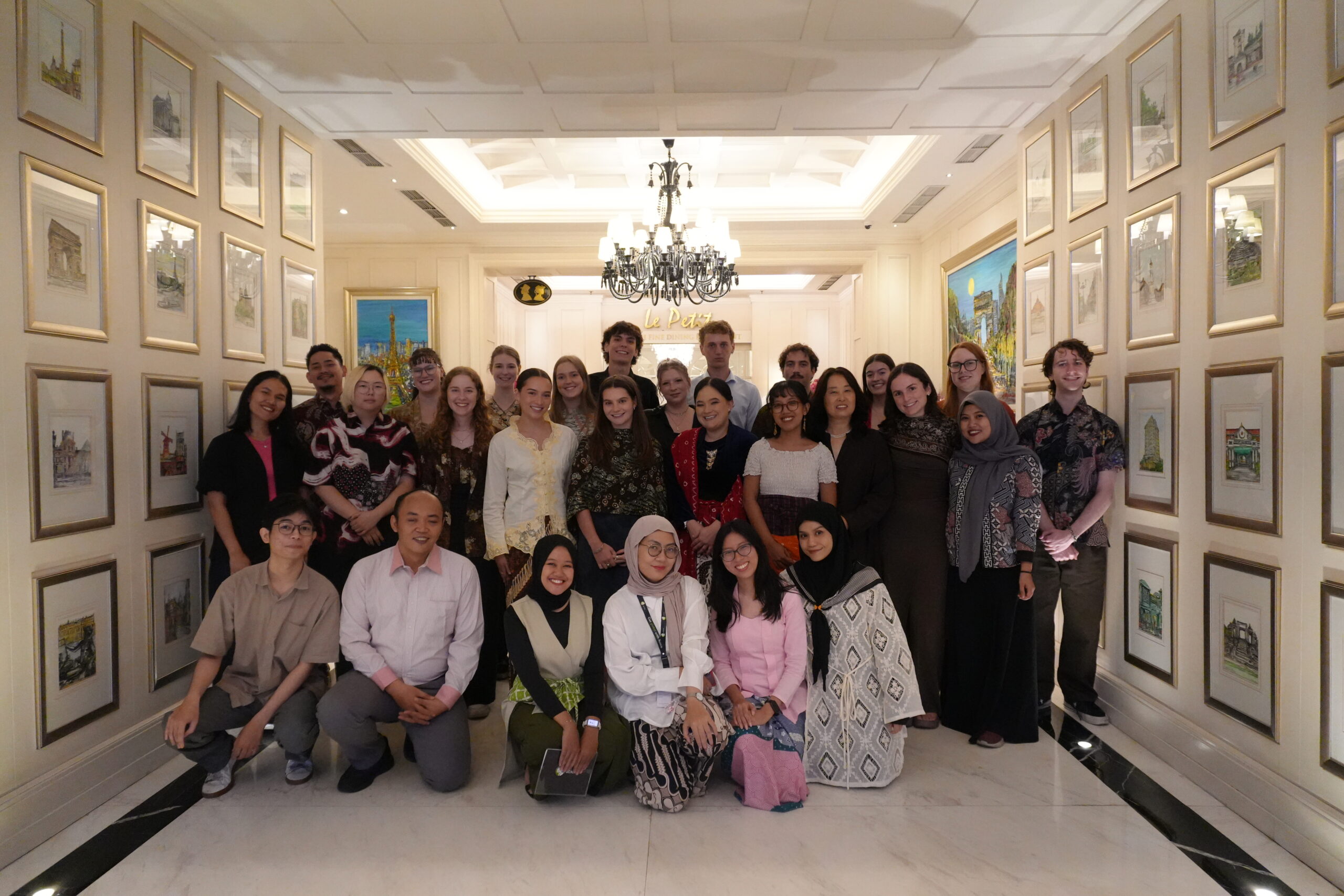
In semester 1, 2026, Acicis proudly hosted 15 students in the Flexible Language Immersion Program (FLIP) and 2 students in the Development Studies Immersion Program (DSIP) at Universitas Gadjah Mada (UGM). 12 out of 15 FLIP students as well as all DSIP students received their funding to join this program through the Australian Government’s New Colombo Plan (NCP) Mobility Grants. Alongside FLIP and DSIP, Acicis also hosted 3 students in the Acicis Indonesian Business, Law and Society (IBLS) program at Universitas Islam Indonesia (UII). All of them received funding through the Australian Government’s New Colombo Plan (NCP) Mobility Grants.
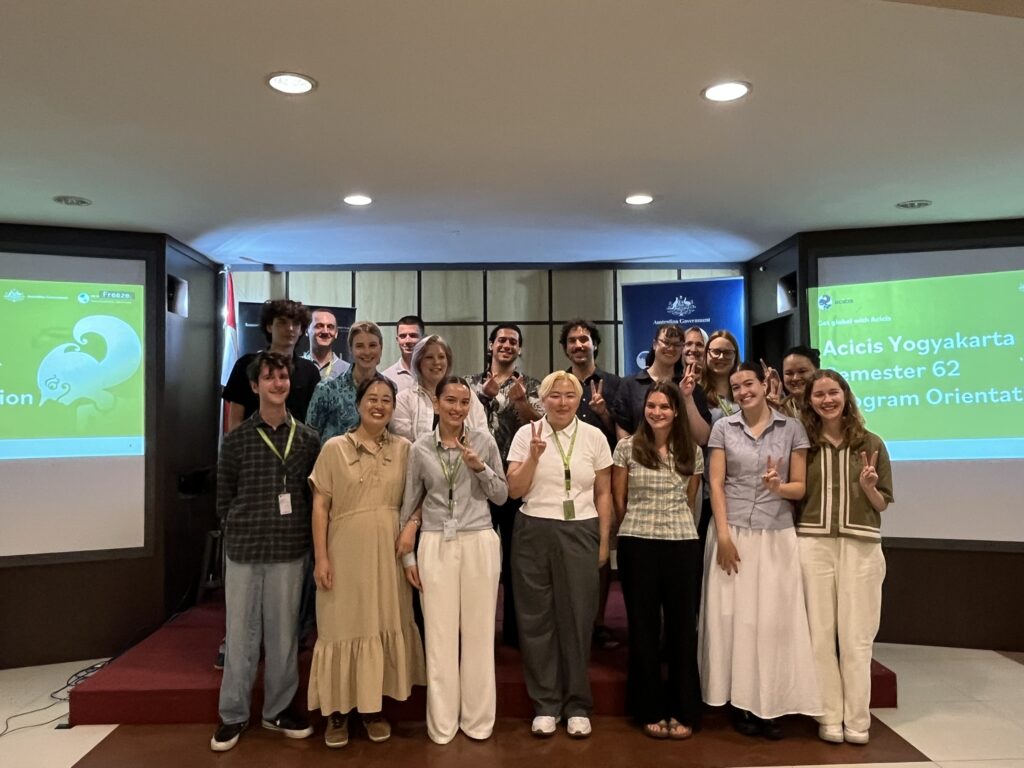
Meanwhile in Bandung, Acicis was pleased to welcome four IRP students, Jorja, Joseph, Phoebe, and Vigil, joining the International Relations Program (IRP) and two students, Tyler and Casper, participating in the West Java Field Study (WJFS) program at Universitas Katolik Parahyangan (UNPAR). All 4 IRP students received funding from the Australian Government’s New Colombo Plan (NCP) Mobility Grants, while the 2 WJFS students are recipients of New Colombo Plan (NCP) Scholarships.
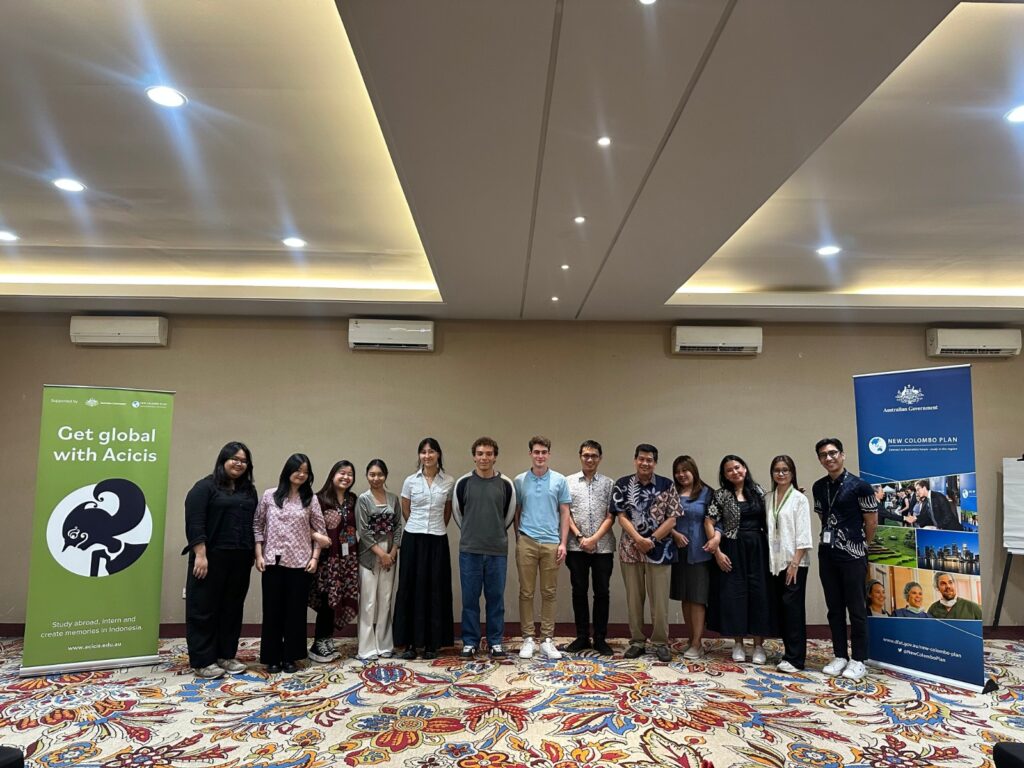
Flexible Language Immersion Program (FLIP)
All FLIP students were enrolled in an intensive Indonesian learning curriculum curated based on their levels of proficiency at INCULS UGM. Other than improving their language skills, a few students also take part in immersion subjects spread throughout different faculties such as Faculty of Cultural Sciences, Faculty of Social and Political Sciences, Faculty of Law, and Faculty of Economics and Business.
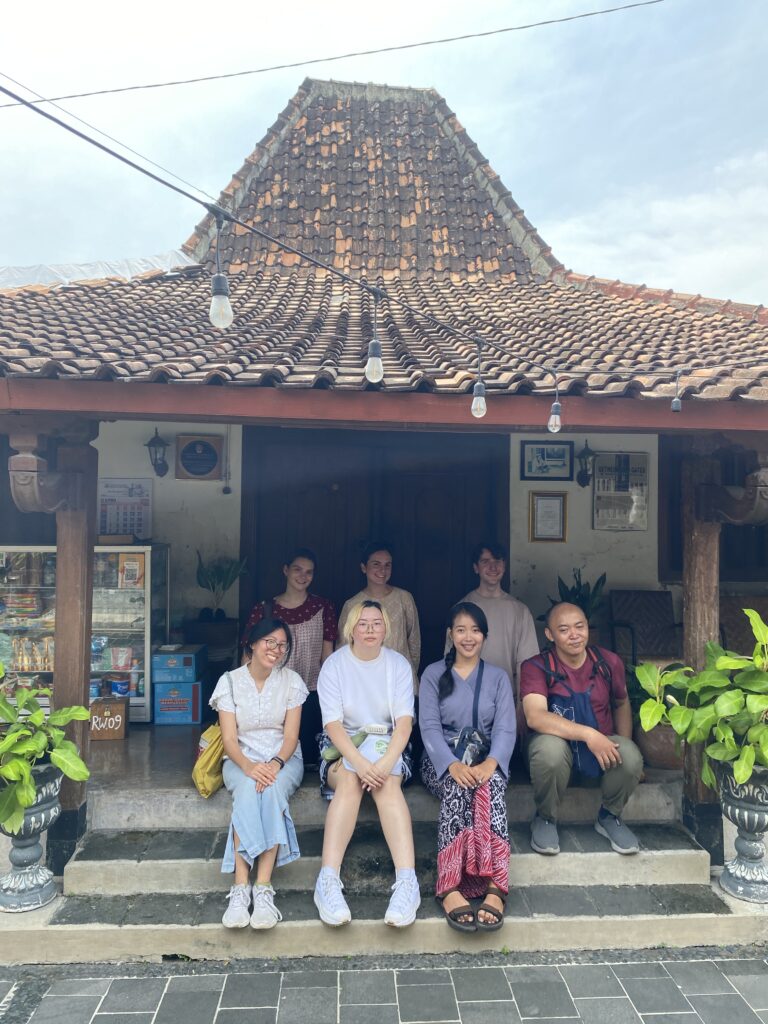
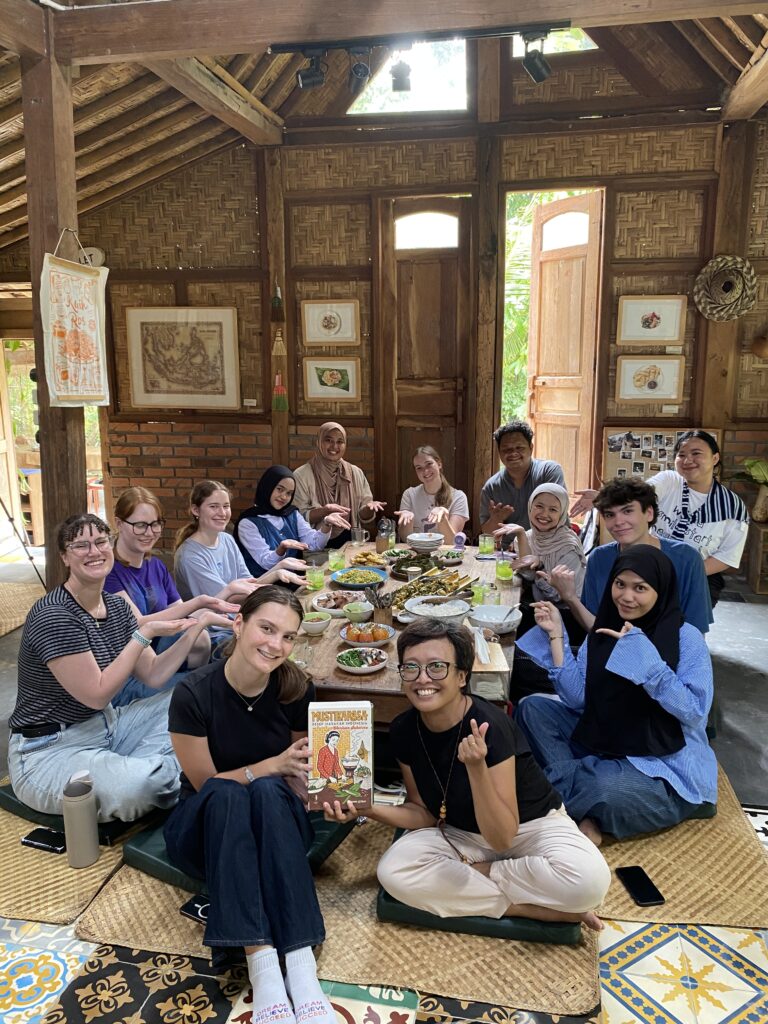
Throughout the semester, FLIP students’ learning is not only bound to the classroom but also outside the classroom through excursion. The opportunity arose for students to learn to cook Indonesian cuisine from scratch with the guidance of the hosts at TEPIKOTA using the recipes from Mustika Rasa. In this opportunity, we have Issy (Australian National University), Lily Kelsey (Australian National University), Lily Bosland (University of Adelaide), Matilda (Australian National University), Zara (Australian National University), along with one IBLS student and a few of Acicis staff. Not only did they get to taste authentic Indonesian cuisine, but they also got to participate in the process of cooking with traditional methods they are not familiar with.
 |  |
Furthermore, Acicis also encouraged students to take part in professional placement through internships with local host organisations during their time in Indonesia. In semester 62 of FLIP, Maya (University of Western Australia), undertook the professional placement with Harapan Fian, an organisation focused on advocating and supporting underprivileged children. Her internship with Harapan Fian included a variety of responsibilities such as teaching and helping with the coordination of Saturday classes. Maya visited the homes of the children one by one and brought them to the class, then she would help distribute worksheets and assist the children in their individual work. Afterwards, Maya would discuss and evaluate with the team regarding the learning progress of each child she assisted. The professional placement has proven to be one of the most immersive experiences and a great opportunity to practice Bahasa Indonesia, as Maya said in her professional placement final presentation.
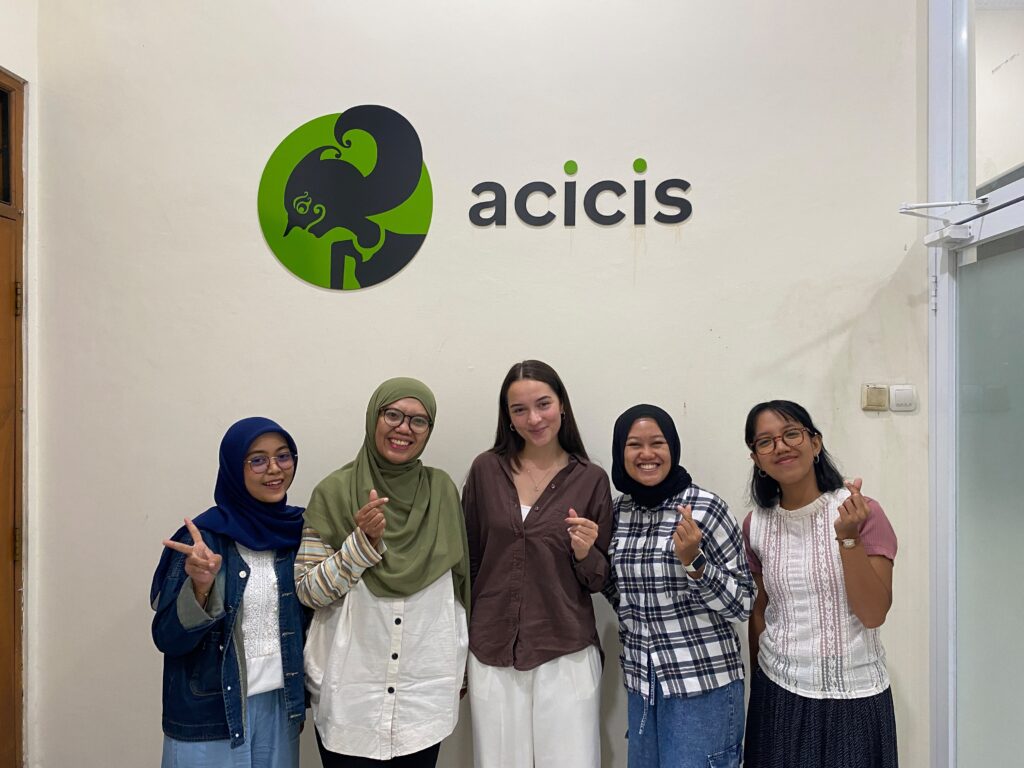
Other than professional placement, Acicis students are also able to gain learning experience through volunteering during their semester in Indonesia. This semester, one of our students, Georgie, volunteered at a Dharma Bakti 1 Kindergarten. The volunteer work facilitated through Acicis is linear to Georgie’s line of work in the field of education. She participated in classes a few days per week as a teacher assistant, making her learning experience immersive.
Development Studies Immersion Program (DSIP)
The DSIP program is designed to provide students with hands-on development experience through eight-week professional placement, engagement in seminars and numerous case study visits throughout the semester. It is to equip students with understanding of contemporary development issues within the Indonesian context. Additionally, students also participated in eight weeks of Indonesian language courses at INCULS UGM to supplement their Indonesian communication skills and cultural awareness.
Students participated in curated seminars on the context of development in Indonesia and followed by case study visits with local host organisations to gain direct understanding of development issues learned during the seminars. This semester, the students got to visit PASTIKLOLA, an organisation which focuses on waste disposal and management with a mission to create a cleaner environment and more sustainable waste management in the area. Students got to meet the stakeholders and learned in-depth about the handling of waste and how they were processed and managed afterwards. This visit allowed students to apply theoretical knowledge to real-world development contexts.
In the DSIP program, professional placement is the core component of learning, which enables students to intern with local organisations and gain practical experience in development work in Indonesia. Both DSIP students, Maggie (Murdoch University) and Willi (RMIT University), interned with Yayasan SATUNAMA this semester. Yayasan SATUNAMA is an organisation that focuses on community empowerment, governance, and political awareness based on rights, respect, and resilience. Maggie interned at the Fundraising Division, and Willie interned at Rumah Pembelajaran Kesehatan Jiwa (Mental Health Learning Centre).

During the internship, Maggie helped with daily operations, supported team projects, and contributed to various tasks, including writing articles related to conditional fundraising, researching potential donors, as well as attending the SDG expo. These experiences allowed her to realise the importance of fundraising transparency and improve her performance in a professional setting. On the other hand, Willi interned at Rumah Pembelajaran Kesehatan Jiwa (Mental Health Learning Centre), spending time with residents through games, daily conversations, and shared activities. This allowed Willi to build meaningful relationships and realise that participation and human connection are vital aspects of development work. Willi and Maggie also had a collaborative mural painting project with the residents and highlighted the importance of social interaction and shared ownership between residents and interns.
Indonesian Business, Law & Society (IBLS)
The IBLS program is designed to equip students with the opportunity to study at Universitas Islam Indonesia (UII)’s Faculty of Economics and Faculty of Law alongside Indonesian and international peers. IBLS offers the opportunity to undertake a supervised professional placement with a variety of organisations, including legal aid organisations, community-based NGOs and financial institutions. Through these placements, students get to implement their learning in class to professional settings within international contexts.
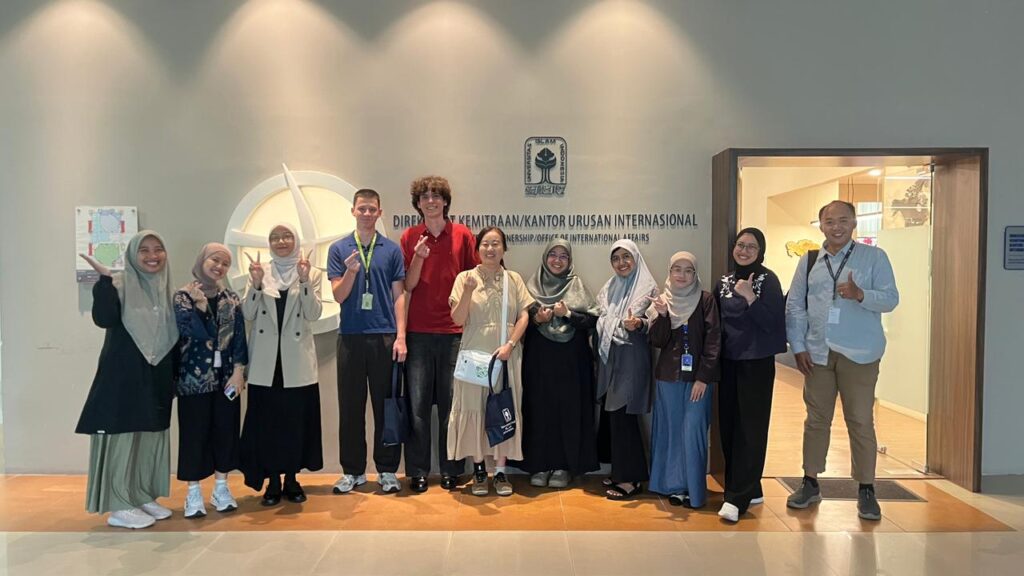
All three students of IBLS pursued professional placements in various host organisations in Yogyakarta. Patrick (Monash University) interned at Travelxism, a start-up in the field of tourism focused on delivering innovative tourism potential research, developing tourism communities, holding various workshops, and digitising destinations and branding to encourage sustainable tourism. Hyunsoon (University of Western Australia) interned at CIRCLE Indonesia, an initiative which focuses on providing consultancy and capacity building for non-governmental organisations in Indonesia. Lastly, Lachlan (Monash University) interned at Yayasan Senyum Kita, an organisation focused on the education and empowerment of youth and children. Lachlan’s internship experience was divided into two divisions – one being the finance division and the other being the Lembaga Kesejahteraan Sosial (LKS) or Social Welfare Division. In the finance division, his work mainly dealt with daily finance operations of the organisations; meanwhile in LKS, he got to visit and interact with the beneficiaries of Yayasan Senyum Kita. The professional placements offer them the opportunity to apply Indonesian economics and business knowledge in professional settings and immerse themselves in Indonesian work culture.
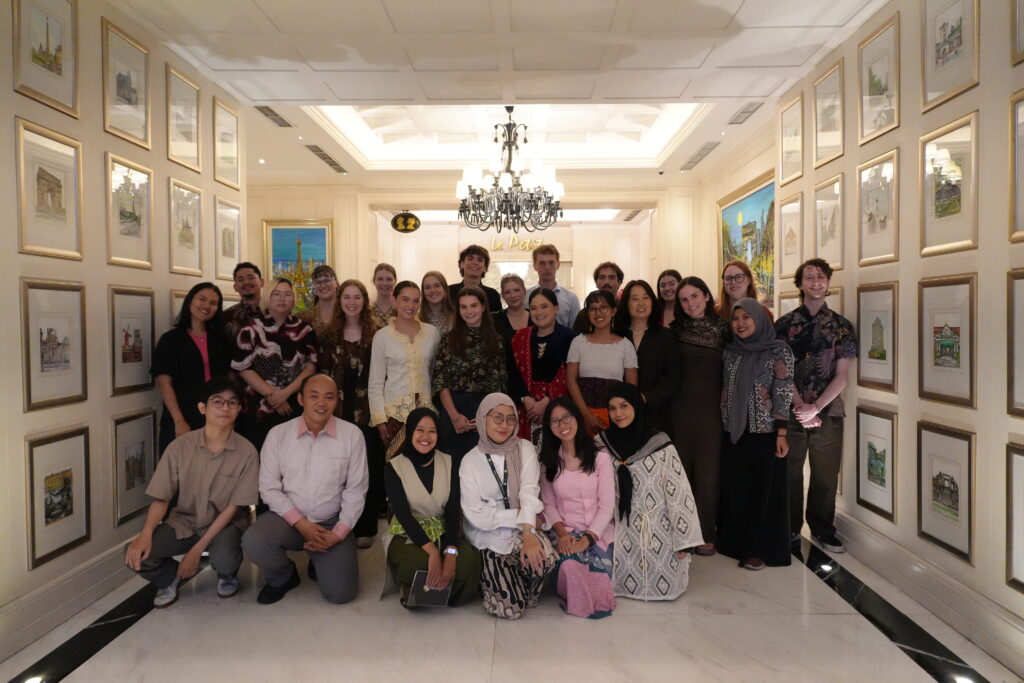
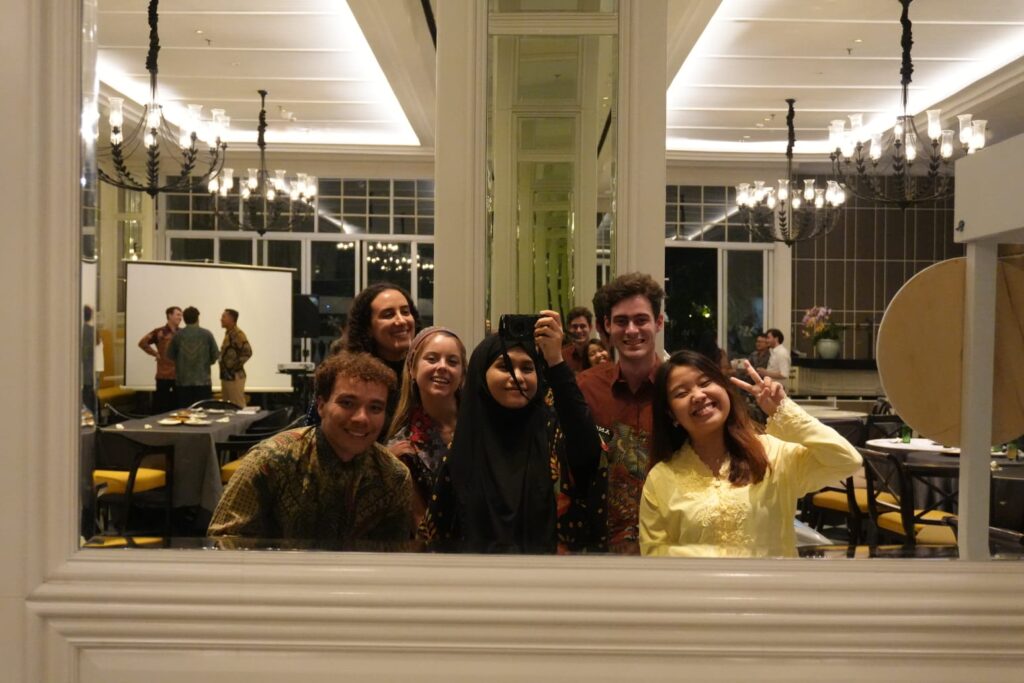
The Yogyakarta semester programs were concluded with a celebration at Acicis Farewell Dinner with the addition of the INCLUS Graduation Ceremony for FLIP and DSIP. During the farewell dinner, Georgie represented the whole FLIP students with a heartwarming reflection of blooming friendships, the weight of farewells and the excitement of embarking on a new adventure after the memorable semester in Indonesia. Representing DSIP, Maggie delivered a speech reminiscing her and Willi’s challenges and breakthroughs during the program as well as their journey for each case study visit which was both memorable and inspiring, especially during the case study visit to Mount Merapi. Lastly, Lachlan from IBLS gave a heartfelt speech about the experience of studying at UII and embarking on a new challenge with his decision to join the professional placements. He expressed his gratitude and cherished the time he spent in Yogyakarta.
West Java Field Study (WJFS)
Over approximately five months, West Java Field Study students, Tyler and Casper, were required to attend supervision sessions for their mini-thesis proposal drafts with their respective supervisors. Both students conducted their thesis supervision under the Faculty of International Relations. In addition, they attended Indonesian language classes twice a week.
The program also included a range of cultural and recreational activities. Similar to the IRP students, Tyler participated in a pottery class and a Jamu cultural class, while Casper only participated in the pottery class. Tyler also attended the CAUSINDY event, where she represented AIYA and helped out during the event.
International Relations Program (IRP)
Over approximately five months, International Relations Program students completed a comprehensive International Relations curriculum, including courses in Domestic Politics in Indonesia, Security Studies, Global Politics, Indonesian Foreign Policy, and International Political Economy. Alongside their academic studies, they also participated in weekly BIPA (Bahasa Indonesia bagi Penutur Asing) classes to support their everyday interactions, deepen their engagement with local communities, and gain a broader understanding of Indonesia’s diverse cultures and communities.
As part of the professional practicum component, Jorja completed her placement at Next Generation (NXG), where she contributed to the monitoring and evaluation of digital games and content for children and adolescents. She also contributed to the development of a journal in collaboration with the NXG team. Meanwhile, Phoebe completed her placement in the Sponsorship Division at SOS Children’s Villages. Her responsibilities included preparing fundraising emails, supporting administrative tasks, and participating in visits to children’s villages. Vigil, meanwhile, completed his professional practicum at the Resilience Development Initiative (RDI), where he contributed to the ASEAN Climate Week project. His involvement in this project is ongoing, with activities scheduled to continue until September 2026.
 |  |
The program also included a range of collaborative and recreational activities. The students participated in a pottery class, where each student had the opportunity to explore their creativity and create their own pottery pieces. They also visited Jamu Lina, a traditional herbal medicine producer, where they learned about the various herbs and spices used in the preparation of jamu. The students also had the opportunity to participate in the preparation process and taste the jamu themselves.
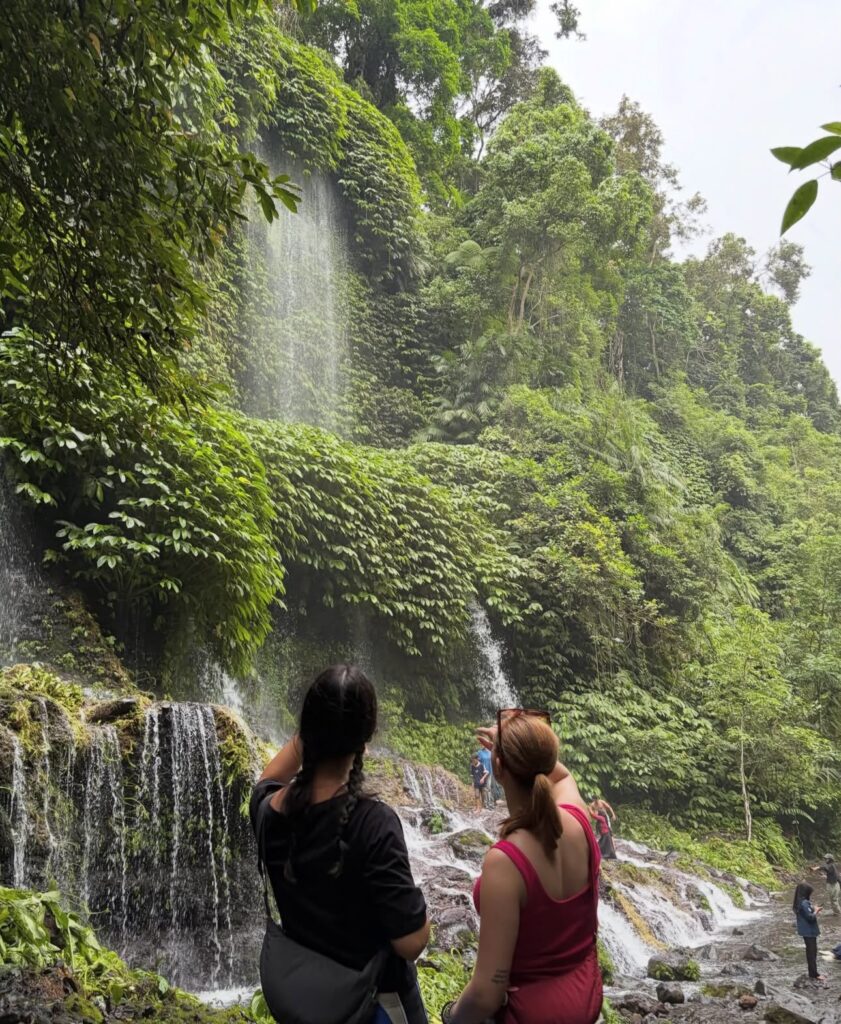
Beyond formal program activities, the students actively engaged in both campus and broader community life by joining student organisations and communities, including Sastra dan Theatre UNPAR (SATRE) and the Australia–Indonesia Youth Association (AIYA). Throughout the program, they explored various destinations around Bandung and travelled extensively across Indonesia, including to Lombok, Karimunjawa, the new capital city of Nusantara (IKN), Samarinda, Balikpapan, Bali, Cimaja, Surabaya, Yogyakarta, and Jakarta. These experiences enabled them to gain a deeper appreciation of the cultural diversity of different regions across Indonesia, while also experiencing new natural environments and engaging in social interactions beyond their previous experiences.
 |  |
On 24 June 2026, the program concluded with a farewell dinner at Tjendana Bistro in Sukajadi, Bandung. The event began with reflections and personal remarks from the students about their experiences during the Bandung program, followed by presentations ahead of their departure from Indonesia. The evening concluded with the presentation of farewell gifts from the Bandung Semester team as a token of appreciation for the students’ academic achievements, cross-cultural experiences, and meaningful social contributions throughout the program.
Student Feedback Highlights & Stories
 |  |
 |  |
Closing Remarks
Acicis is beyond proud to acknowledge both personal and professional accomplishments during this semester. This experience is expected to equip students with meaningful insights and competencies that will contribute to their future career development.
Best wishes for your future endeavours. Congratulations and sampai jumpa lagi!
Learn more about our programs.