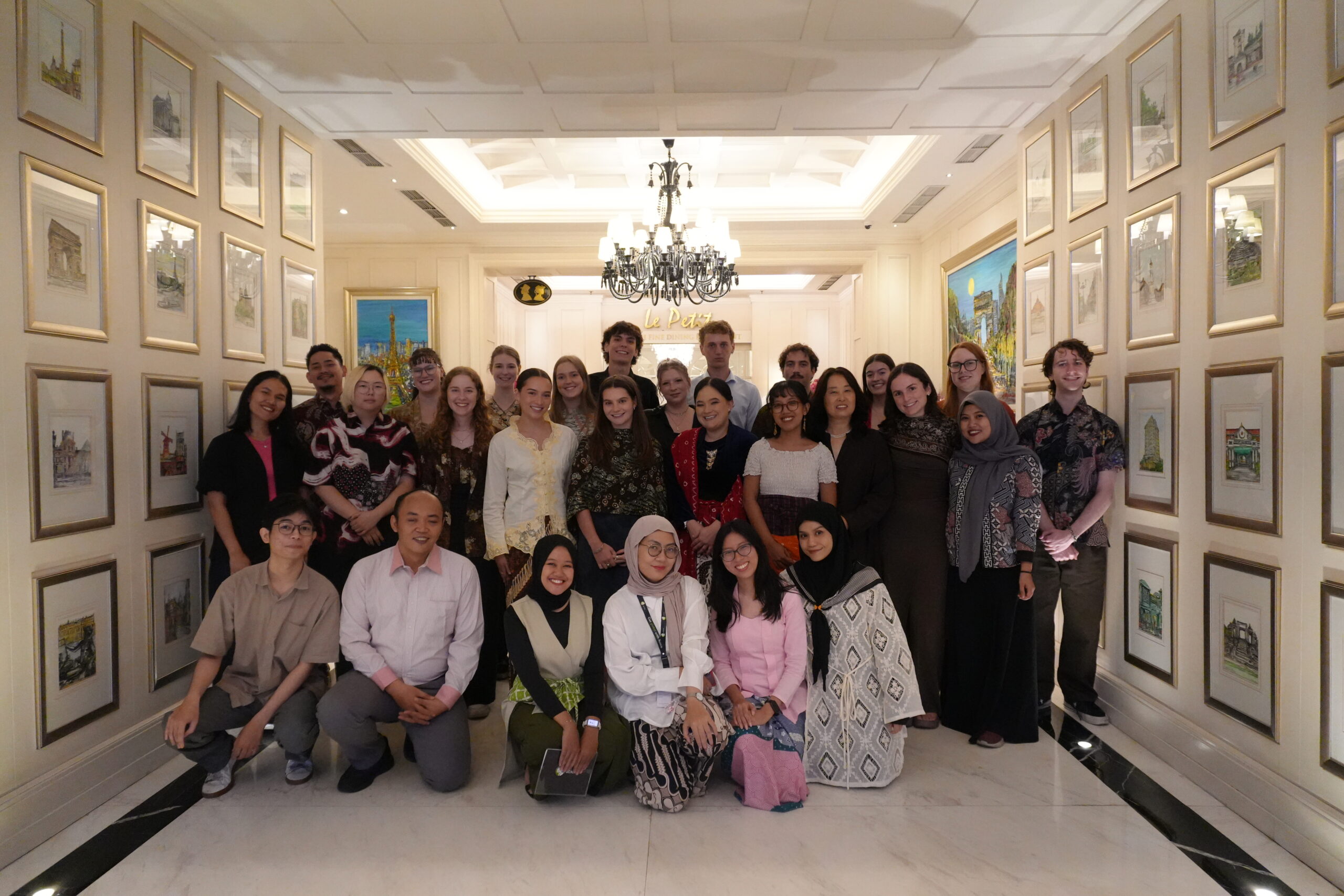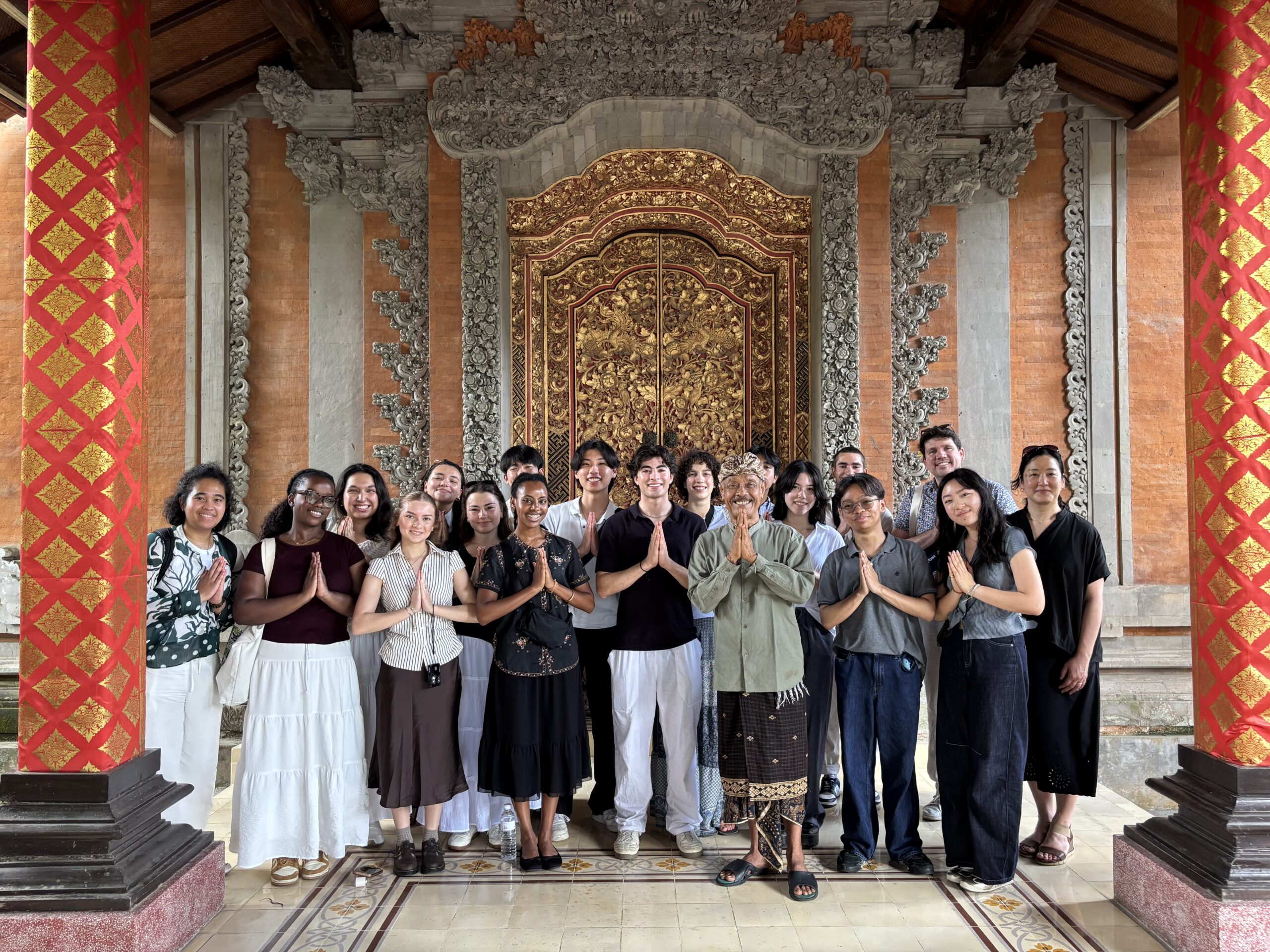

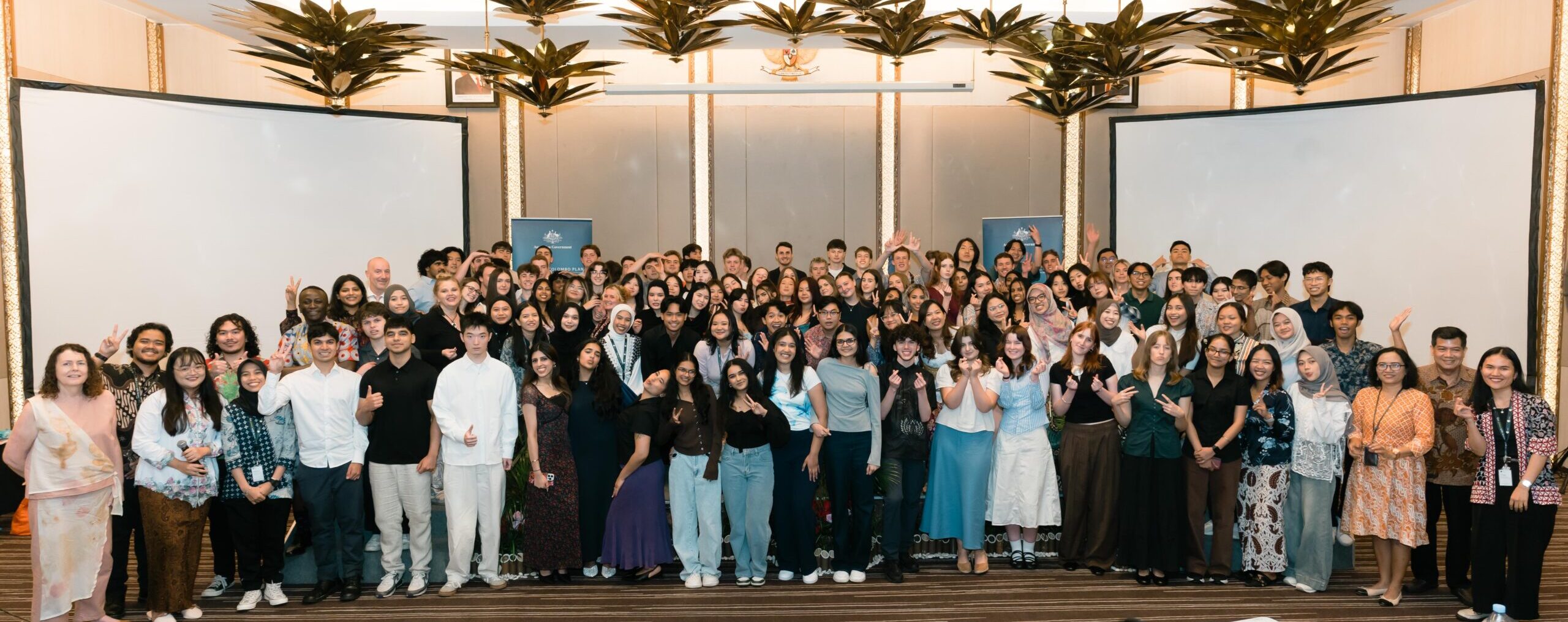
Acicis was delighted to welcome 338 students from Monash University as part of its prestigious Global Immersion Guarantee (GIG) program during the November 2025 and January 2026 (summer blocks). The program focused on in-country fieldwork exploring the dynamic intersections of environment, society, energy, and technology, with a strong emphasis on experiential learning through case studies in Indonesia.
The Global Immersion Guarantee program aims to equip students with a critical understanding of the challenges involved in implementing sustainable and innovative solutions. Each intensive program spanned two weeks, combining academic learning with rich cultural immersion. Students participated in impactful field visits, engaged directly with local communities, attended expert-led local insight sessions, and were guided to reflect and reframe their perspectives by Monash academics and staff.
The program took place in two major Indonesian cities, Yogyakarta and Jakarta, with each cohort comprising approximately 77 to 89 students, accompanied by Monash University staff. In Yogyakarta, the host was Universitas Gadjah Mada, while the Jakarta program partnered with Atma Jaya Catholic University as the host university.
 |  |
In Yogyakarta, the theme focuses on Rural and Urban Development and Energy Security. During the first week, students immersed themselves in activities at Universitas Gadjah Mada, including Indonesian language classes and seminars on Indonesian modern history, politics, culture, and society. These foundational sessions were followed by a series of local insight discussions that established a crucial contextual understanding for the week’s thematic focus. Students explored various issues and challenges, including sustainability in Indonesia from multiple perspectives, encompassing academic, non-governmental, business, and private sector practitioners.
Subsequent field visits in Yogyakarta brought these themes vividly to life. Students traveled to the Nglanggeran Community-Based Tourism Village, where they observed how sustainable tourism supports rural development. They also visited the Kali Code Riverbank Community, a vibrant informal urban settlement undergoing community-driven revitalization, and Kotagede, a historical neighborhood renowned for its traditional Javanese architecture, silver industry, and heritage conservation practices. To further deepen cultural engagement, students participated in batik-making and Indonesian puppetry workshops, creating handcrafted pieces to bring home as personal souvenirs.
 |  |
The second week in Yogyakarta shifted its focus to Energy Security. Students attended expert-led local insight sessions and then gained practical understanding through field visits such as the Kedungrong Micro Hydro Power Plant. This community-run renewable energy project exemplifies how clean energy can deliver affordable electricity while simultaneously improving local livelihoods and economies. Another significant highlight was the visit to Wanagama Educational Forest, a successfully rehabilitated site managed by Universitas Gadjah Mada’s Faculty of Forestry, serving as an exemplary model for ecological and sustainable energy education, research, and community development.
The Yogyakarta program also brought profound cultural immersion. Students visited Prambanan, Indonesia’s largest Hindu temple, and Borobudur, the world’s largest Buddhist temple.
 |  |
In Jakarta, students explored the themes of Urbanisation and Energy Security. The first week featured a blend of academic sessions and practical, field-based learning. It began with Indonesian language classes, followed by expert-led sessions where students explored the complexities of urban development and energy security challenges. They gained insights into the local impact of these issues from industry leaders, practitioners, and lecturers at Atma Jaya Catholic University.
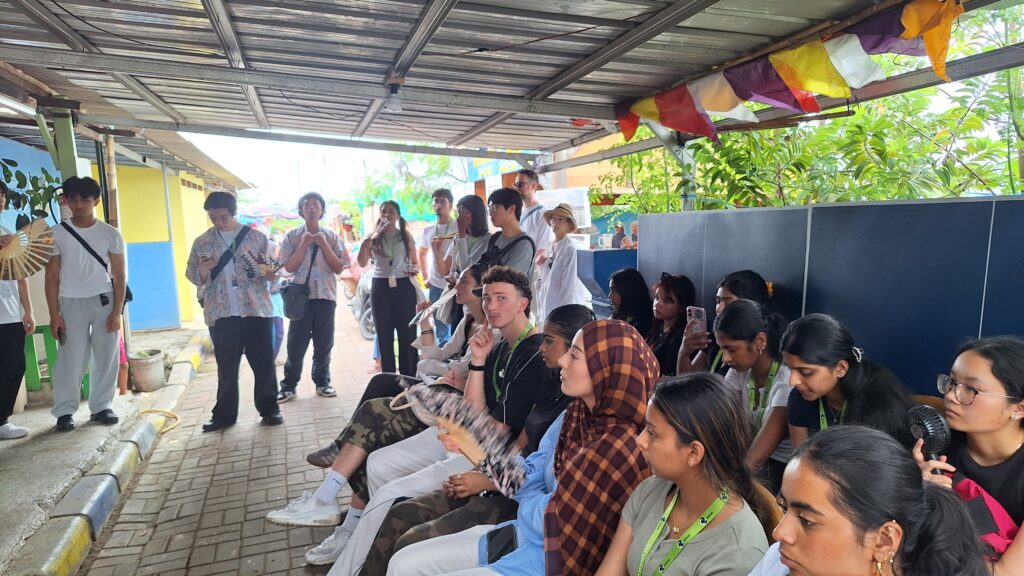
Beyond the university campus, students navigated Jakarta’s bustling streets and business districts, observing the city’s socio-economic contrasts. While some visited Kampung Susun Akuarium in North Jakarta, a formerly evicted yet now revitalized urban village that stands as a testament to community-led development, cultural resilience, and inclusive urban planning, others traveled to Cilincing, a coastal fishing village, engaging with local youth and fishermen to better understand environmental degradation and the challenges of urban development, including pollution and waste management. They later came together for a guided tour of Kota Tua Jakarta, where they explored the city’s historical roots and reflected on its transformation and ongoing progress.
 |  |
Students also visited Monash University Indonesia to engage in academic discussions with counterpart students, faculty members, and practitioners, gaining deeper insight into urban development initiatives and innovative waste management practices in Indonesia. Another field visit took place at the Embassy of Australia, Jakarta, the largest Australian embassy in the world, where students learned about the strategic partnership between Indonesia and Australia, particularly in the areas of energy transition and infrastructure development. The first week ended with a sports day alongside their student buddies.
The second week in Jakarta continued the Energy Security theme through field visits to critical infrastructure sites. Students toured Bantar Gebang, Greater Jakarta’s largest landfill, and its adjacent waste-to-energy power plant facility, PLTSa Bantar Gebang, which efficiently converts waste into electricity. They also visited the Refuse-Derived Fuel (RDF) Plant, an innovative facility that processes landfill waste into alternative industrial fuel. Finally, students visited the Istiqlal Mosque, which exemplifies the government’s effort to advance renewable energy through a solar power plant installed in the largest place of worship in the world’s largest Muslim-majority nation.
 |  |
The programs in both cities culminated with final presentations, where students shared their reflections and invaluable learnings from their time in Indonesia. A closing ceremony and farewell dinner then marked the program’s conclusion, completing a transformative experience that prepared students to leverage their newfound understanding from their time in Indonesia.