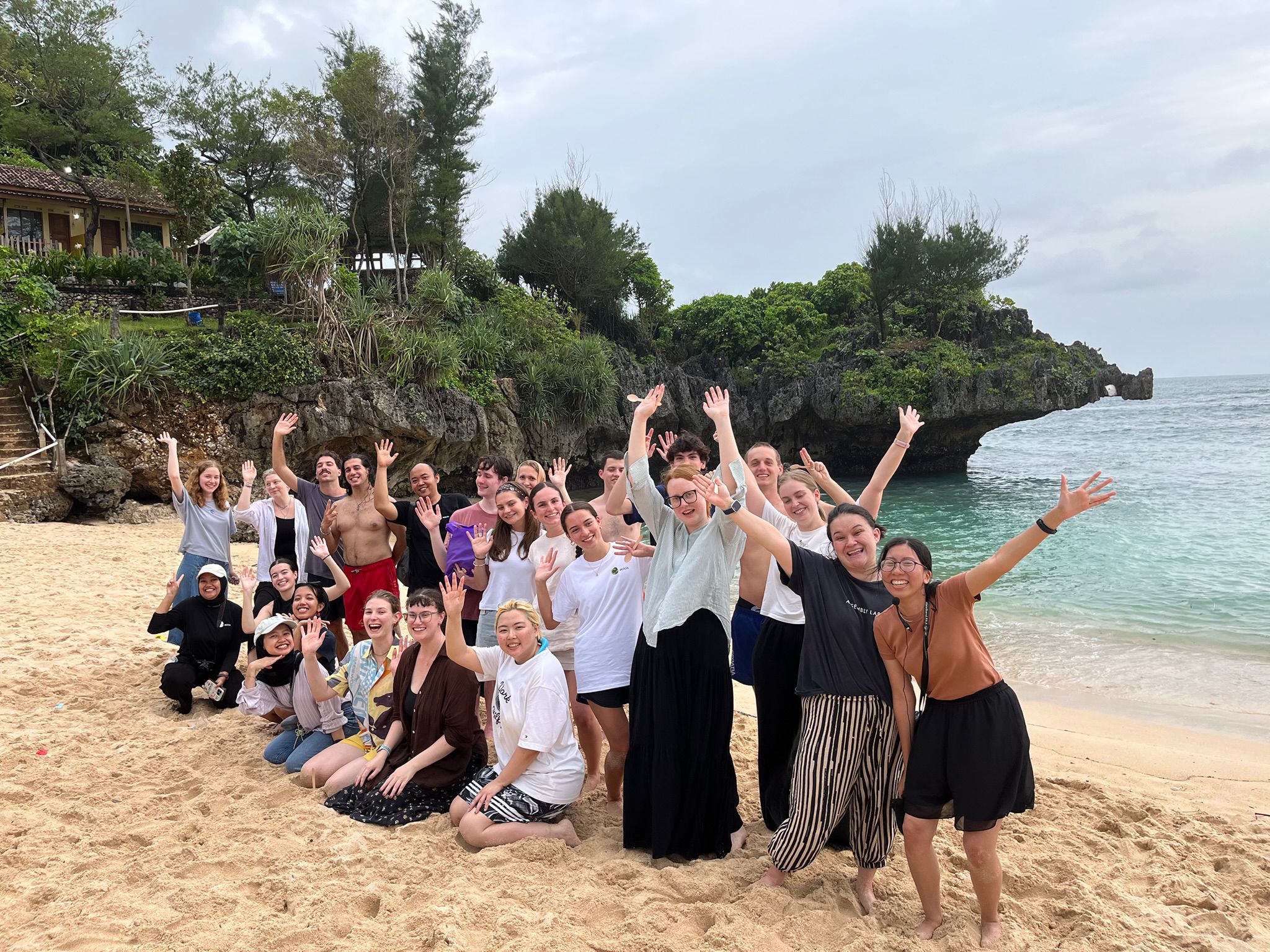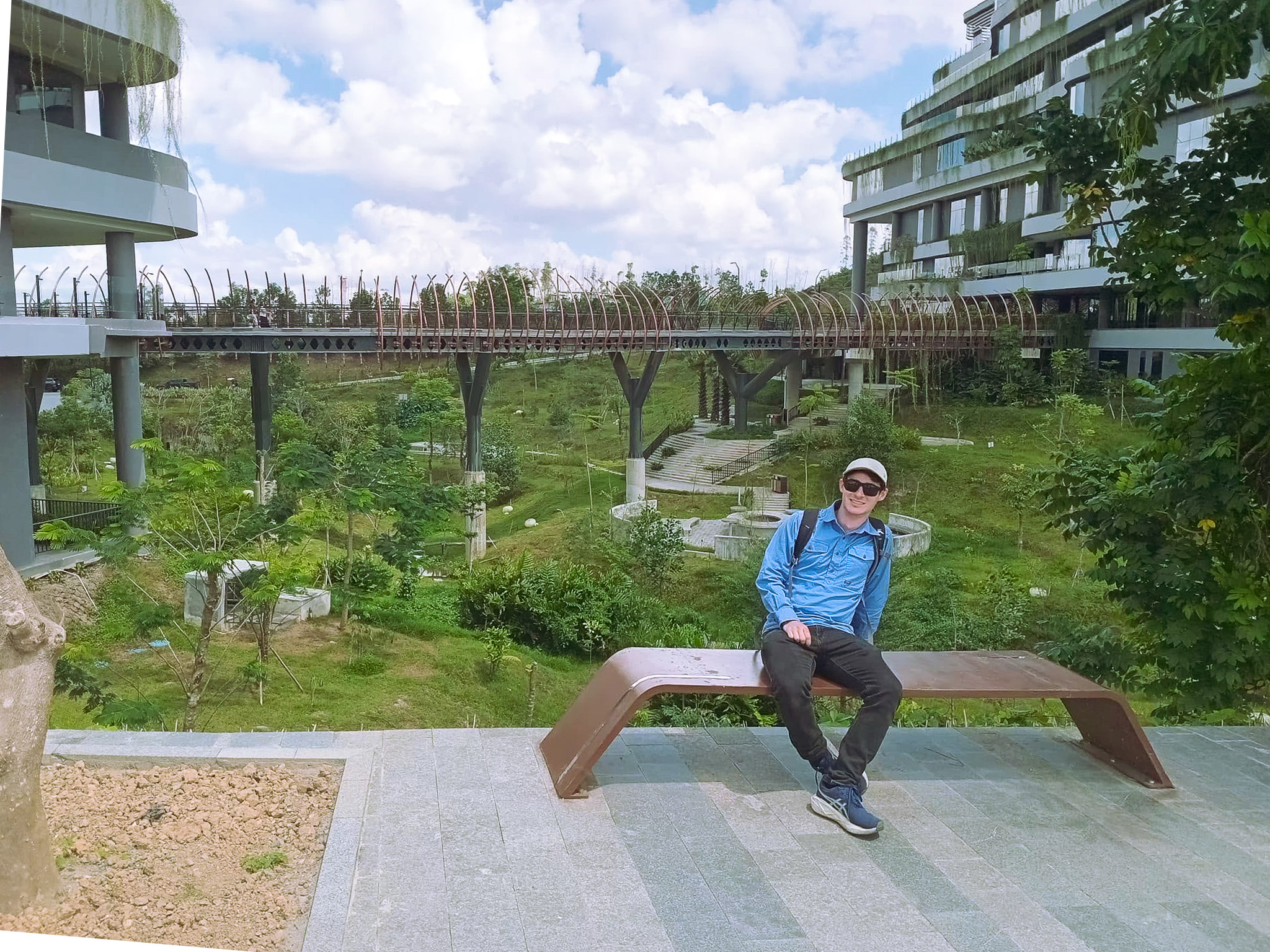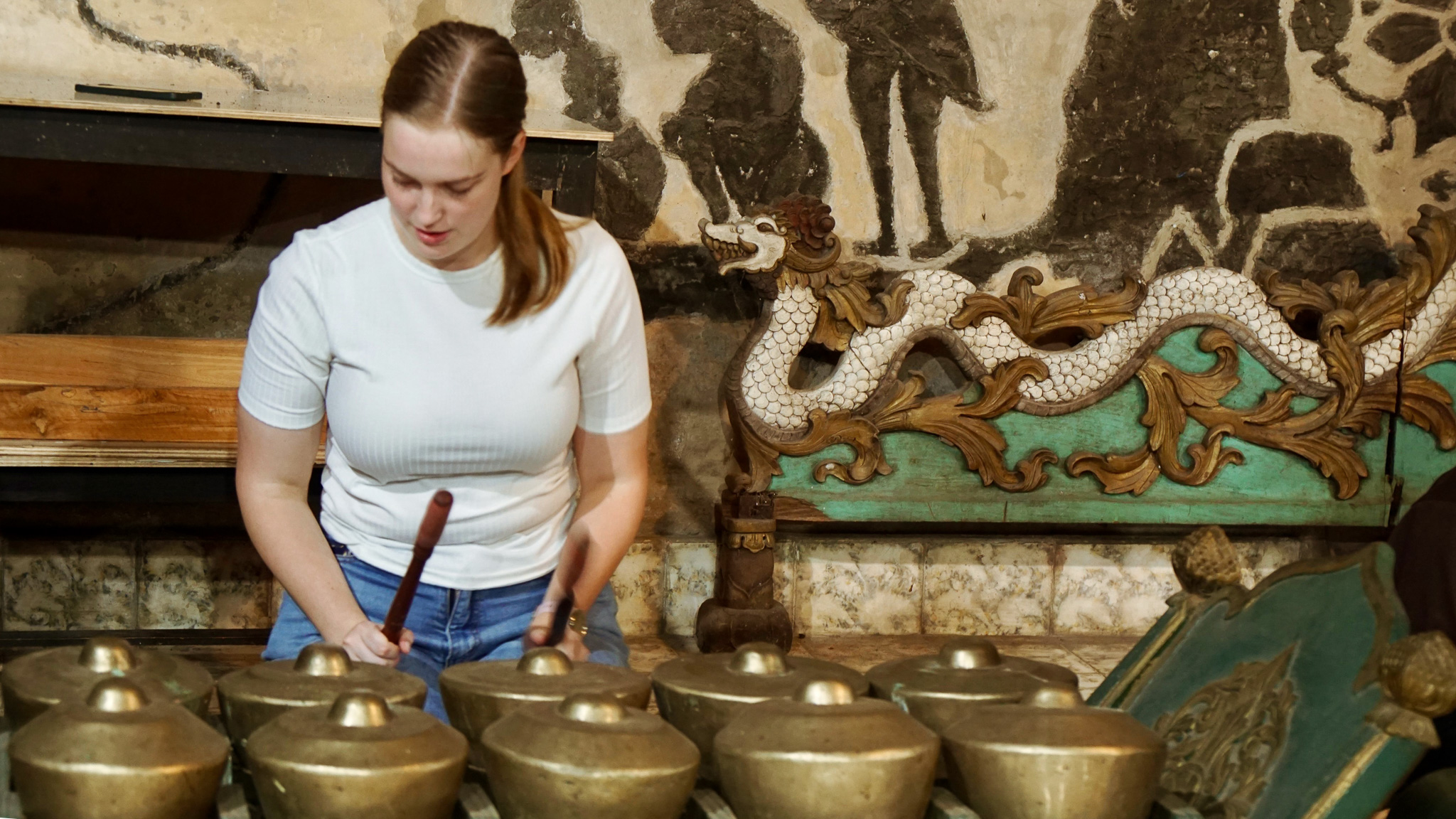

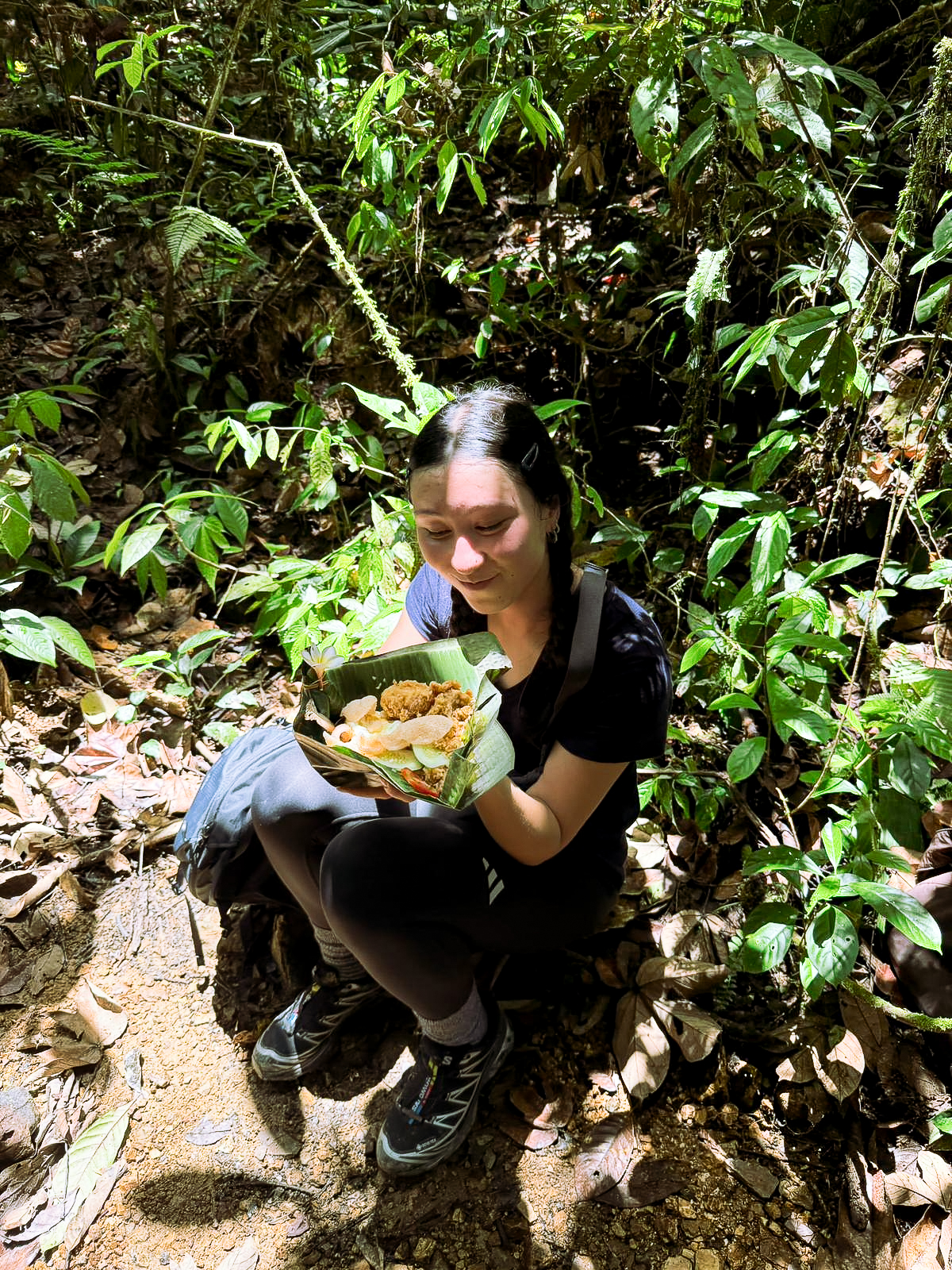
Jorja is a half-Indonesian RMIT student who chose to study in Bandung to move beyond family visits and test her language skills through daily immersion. She took Indonesia’s Foreign Policy class at Universitas Parahyangan, and her firsthand experiences — from conversations with Gojek drivers to exploring local markets — deepened her understanding of Indonesia’s diversity and economic inequality, reinforcing that living within a country is radically different from learning about it from afar.
What made you decide to trade textbook international relations theory for a front-row seat experience in Indonesia?
I’d already spent time in Indonesia growing up, but I wanted an experience that went beyond family visits and would actually test my language skills, challenge my assumptions, and let me engage with the country as a student rather than a visitor. ACICIS offered me a chance to study Indo-Pacific issues from inside the region as opposed to a lecture hall on the other side of the ocean.
You’re studying complex regional and global issues right at the heart of ASEAN. Which class or topic has challenged or completely shifted your perspective on Indo-Pacific relations so far?
This semester at UNPAR I took Indonesia’s Foreign Policy, hoping to understand regional issues through an Indonesian lens and that is exactly what I got. Despite Australia and Indonesia sharing the Asia-Pacific, learning foreign policy from an Indonesian lecturer alongside Indonesian classmates showed me how differently our domestic contexts shape our global priorities, even though we are such close neighbours.
How has living in Indonesia changed the way you view everyday social issues on the ground?
Living in Indonesia gave me a much sharper awareness of my own privilege- not just the privilege of being able to study abroad, but the privilege of the opportunities available to me back home. It also deepened my understanding of the economic inequality that shapes daily life for many Indonesians, by being able to see it firsthand as opposed to just a statistic.
|
|
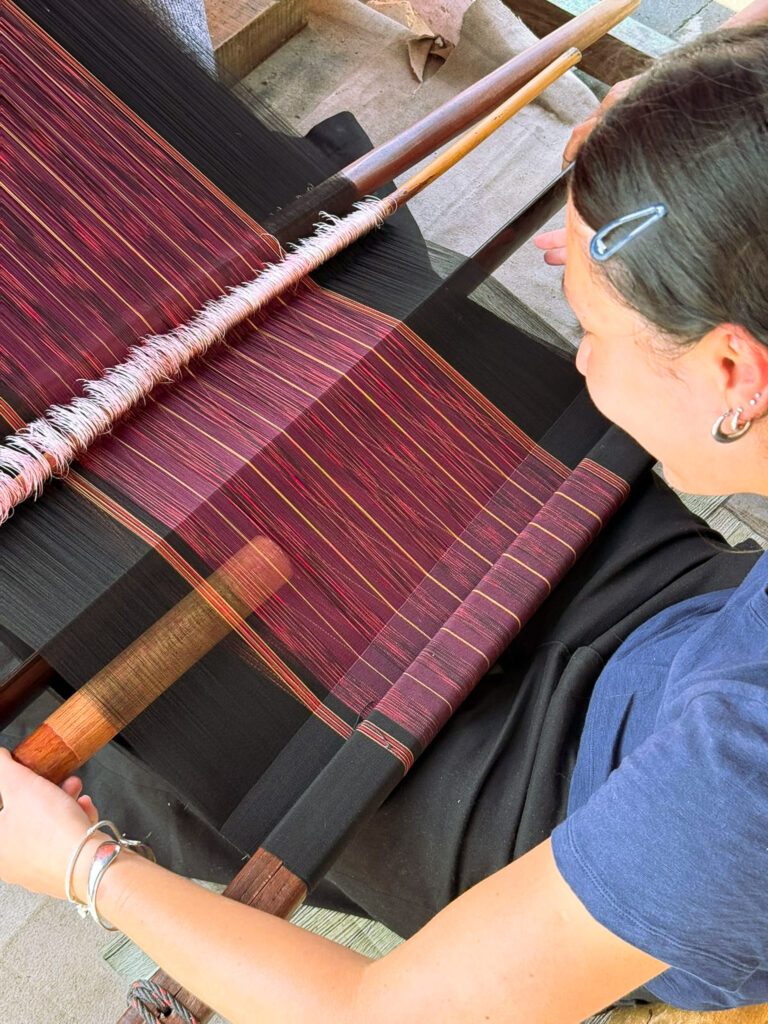
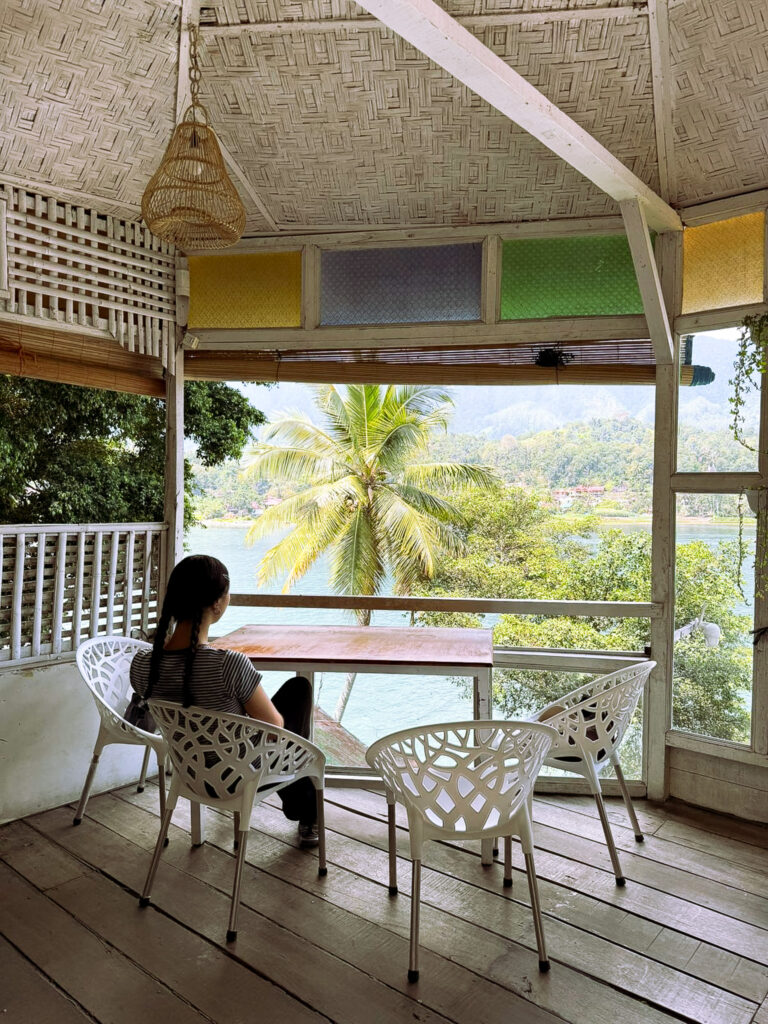
Many Australians grow up seeing Indonesia mainly as a holiday destination like Bali. How has living in Bandung reshaped your understanding of Australia’s relationship with its closest neighbour?
Being half-Indonesian, I’ve already had the chance to live in and experience Indonesia for extended periods of time over my life. Having spent lots of time living in Java, holidaying in Bali, and travelling to other parts of Indonesia, I’ve always understood and been aware of the extremely diverse and rich multicultural nature of Indonesia. Living far from the tourist trail in Bandung reinforced for me how narrow the ‘Bali lens’ is. It reminded me that Australia’s closest neighbour is a nation of enormous scale and diversity, with political, economic, and social complexity that most Australians rarely engage with.
How do you spend your free time connecting with the local community or exploring the city?
Food and shopping culture was the main way that I think I engaged with the Bandung community! I spent heaps of time exploring Bandung’s cafes, restaurants, and markets. Those outings led to countless conversations with Gojek and Grab drivers and local staff, many of whom were curious about my mixed background, often calling me ‘blasteran’ or ‘gado-gado’. These conversations became some of my favourite parts of daily life in Bandung.
Did you have any doubts, anxieties, or misconceptions before making the move to Indonesia? How did you move past them once you arrived?
I expected real homesickness for Melbourne, but it faded within a couple of weeks. Having lived in Indonesia before helped me settle in fast, and the friendships I built made Bandung feel like home quite quickly.
What is one unexpected moment – a conversation, a travel story, or a local experience – that made you realize, “I’m so glad I chose to study here”?
I can’t pick out one exact moment, but a pattern that always stood out was the extended conversations I had with locals in Bahasa Indonesia. These conversations were about everything from politics to religion to everyday life. Each one left me with a real sense of gratitude for the chance to be immersed, living, and learning in Bandung.
|
|
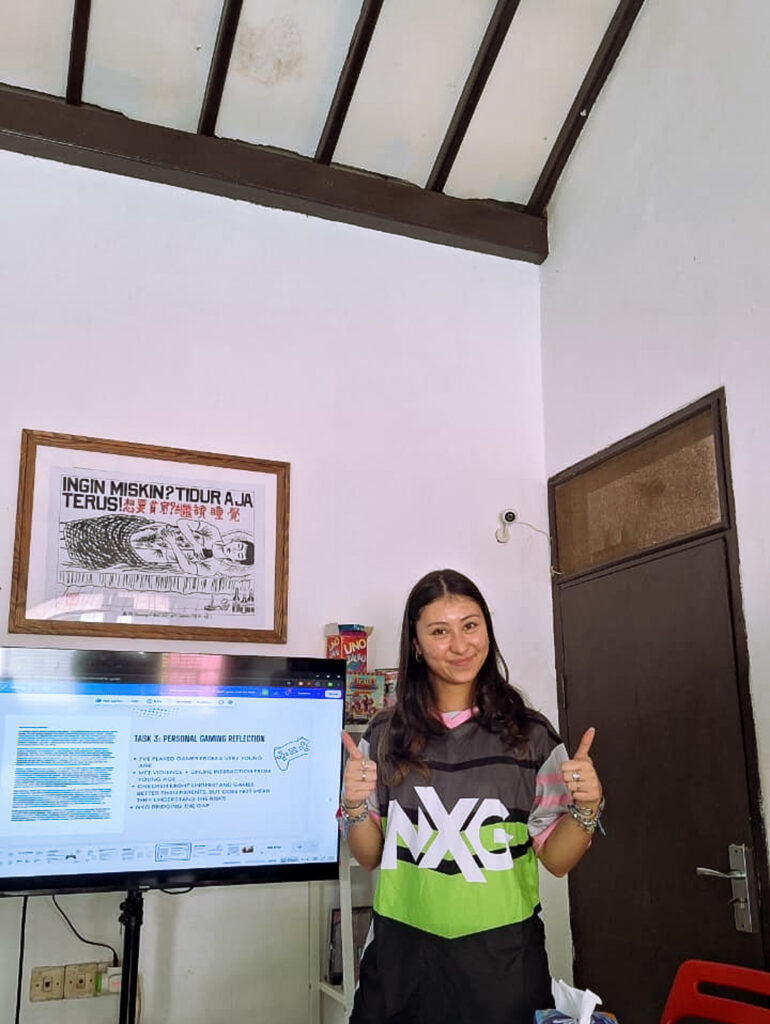
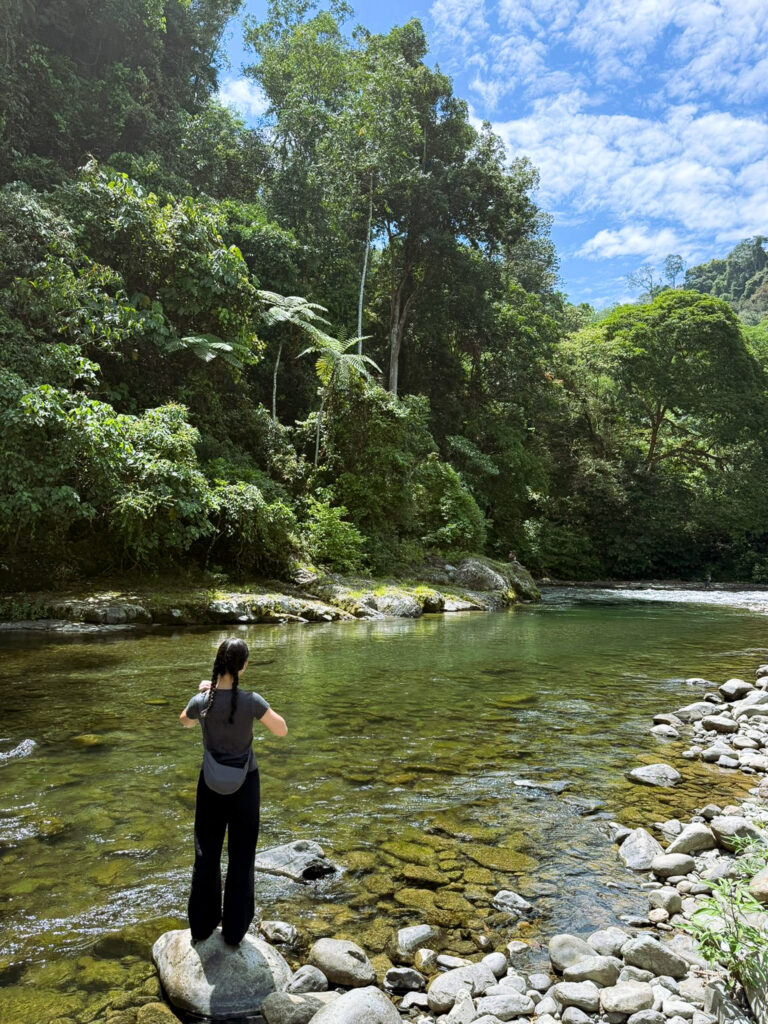
What’s your favourite Indonesian word or slang phrase you’ve picked up, and when do you find yourself using it?
“Gimana sih?!”- I picked it up early and started using it jokingly with friends whenever I was shocked or confused. It’s stuck ever since, and now slips out without me thinking.
For students thinking about a future in international policy, foreign service, or global affairs: why is firsthand experience in Indonesia an absolute game-changer?
After Bandung, I think that firsthand experience is a non-negotiable if someone is serious about learning a language. Nothing replaces having to use Bahasa daily, in real conversations, outside a classroom. But it goes further than just language- being immersed in another culture means experiencing it directly, rather than through someone else’s summary. The shift from learning about a place to actually learning within it is what firsthand experiences really offers.
How do you hope to use the insights and networks you’ve built during your Acicis program to foster future collaboration between Australia and Indonesia in your career?
I plan to carry my improved Bahasa and the cultural insight I gained in Bandung directly into my career in international affairs, particularly in strengthening the people-level understanding that will always underpin good policy between Australia and Indonesia. The relationships and perspective I built in Bandung feel like a genuine foundation for any future collaboration.