
Georgie is an experienced Australian participant living in Yogyakarta, Indonesia, who volunteers at a local kindergarten while being significantly older than the typical programme attendees, around 15 years her junior. She is a lifelong learner who moved to Indonesia to deepen connections with Indonesian friends she met in Taiwan, and she actively embraces local culture through batik-making, pottery, and enjoying her favourite dish, bubur ayam.
What sparked your interest in choosing Indonesia as your host country?
I was interested in choosing Indonesia as my host country because, while based in Taiwan, I met many Indonesians who were living there as both workers and students. I wanted to be able to communicate with them more effectively and build deeper connections, so studying in Indonesia felt like the best step to improve my language skills and better understand their culture.
You’ve lived in Taiwan and now in Indonesia. What has experiencing two distinct Asian cultures taught you?
I have learned so much about cross cultural communication and the diversity within Asian cultures, as well as the differences between Asian and Western ways of thinking. One of the biggest lessons I have learned is that different does not mean wrong, it is simply different. Being immersed in different cultures has been a wonderful opportunity to learn how people interact, communicate, and see the world. It has reminded me that underneath the surface, every person has a story, a background, and experiences that shape who they are.

You’re volunteering in a kindergarten. What has teaching little kids in Indonesia taught you personally and professionally?
Personally, it has reaffirmed how much I genuinely enjoy working with children. Spending time with young children is a reminder to see life with curiosity and wonder rather than only through the perspective of adults who already have years of experience. Professionally, it has helped me become more adaptable and has expanded my ability to teach and communicate with students from different cultural backgrounds.
Most students are here for the first time in their early twenties, figuring out who they are. You’re arriving with more life experience. How did you navigate your journey through this lens?
I am probably at least 15 years older than many of the participants, but it has been a wonderful experience to approach this journey with more life experience. I have been able to reflect on how I learn best, especially when it comes to language learning, and I have also been able to draw on previous experiences when building relationships with new people. In Chinese, there is even a phrase, “huó dào lǎo, xué dào lǎo.” It means, “You live until you are old, so you learn until you are old.” I have appreciated being reminded that learning and growth do not have an age limit.
You’re inside an organisation working directly with the Indonesian community. What has surprised or challenged your assumptions about how development happens at the community level?
I have been really encouraged by the level of community involvement at the kindergarten. There is a saying, “It takes a village to raise a child,” and I have truly seen this in action. I was touched by how different parts of the community, from primary and secondary schools, local businesses, organisations, and village leaders, all contribute to supporting the children and the kindergarten. It has shown me how powerful community support can be.
What do you like to do in your spare time in Indonesia?
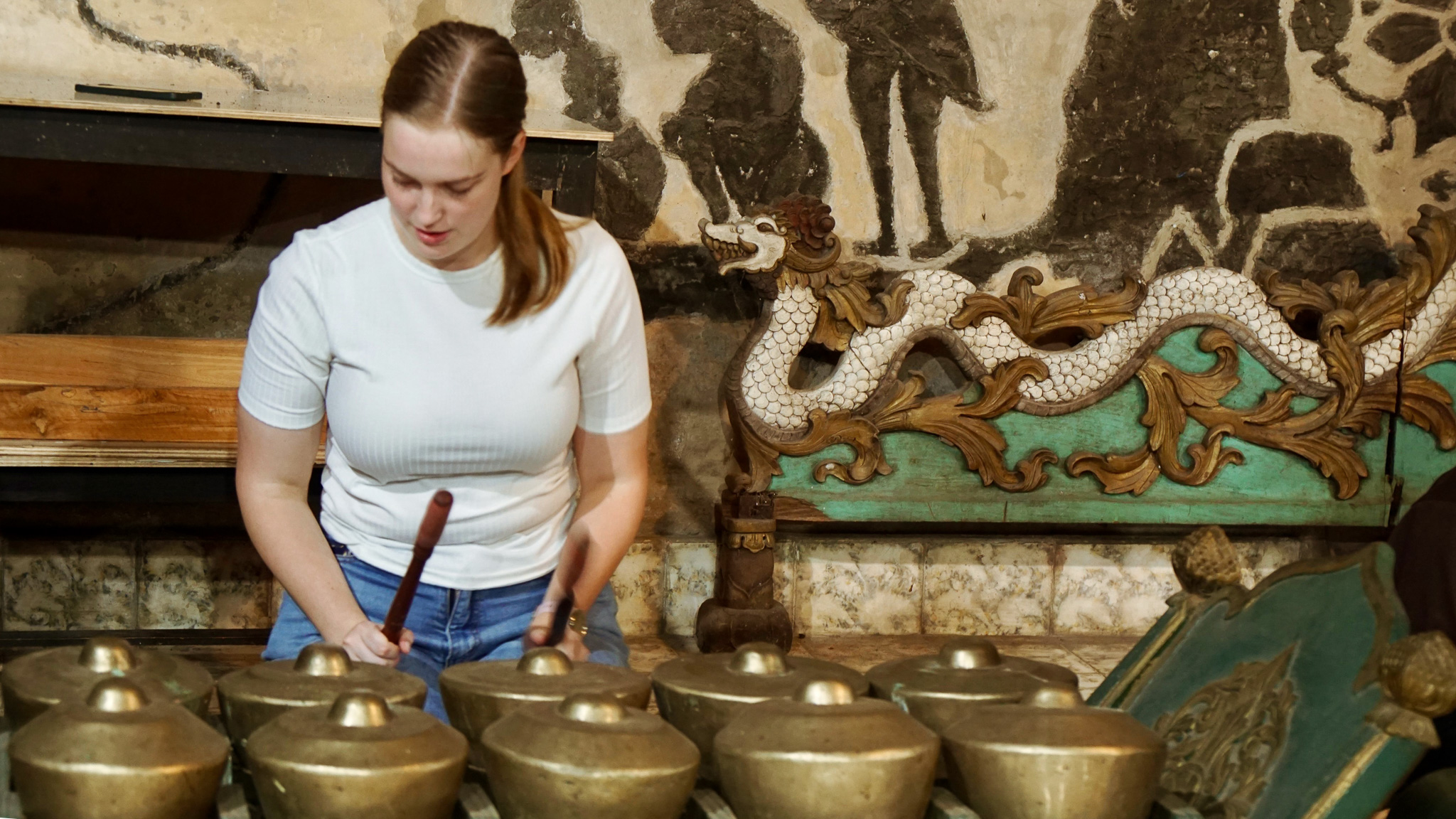
In my spare time in Indonesia, I enjoy trying new skills and experiencing Indonesian culture firsthand. I have had the opportunity to make batik, try Indonesian pottery, and explore different parts of Yogyakarta. I am also interested in learning gamelan, which is traditional Indonesian music, because I love discovering new ways people express their culture.
What has been the most interesting discovery or story during your stay in Indonesia?
Some of my most meaningful experiences have come from simple conversations with local people. I have met many people who are incredibly kind, welcoming, and genuinely interested in getting to know others. Experiencing that openness and warmth has been one of the most special parts of my time in Indonesia.
What has stopped you from coming earlier, and what do you wish you had known that would have made the decision easier?
I wish I had known earlier how much I would learn, not only inside the classroom but also through everyday experiences outside of it. There have been so many opportunities to make new friends, explore new ideas, and grow as a person. Knowing how valuable this experience would be would have made the decision even easier.
What helpful advise do you have for students wanting to join a similar programme in Indonesia?
I would encourage people to step outside their comfort zone and experience life in another country. Living overseas opens your eyes to perspectives, relationships, and experiences that you simply cannot gain by staying in the same environment. Indonesia is such a beautiful country with wonderful people, and I would highly encourage anyone to take the opportunity to experience it.
What is your favourite Indonesian word or phrase?
My favourite Indonesian phrase is “Sama sama.” I love it because it is such a simple, warm, and relaxed way to respond politely while expressing kindness and connection with the person you are speaking to.
What is your favourite Indonesian food?
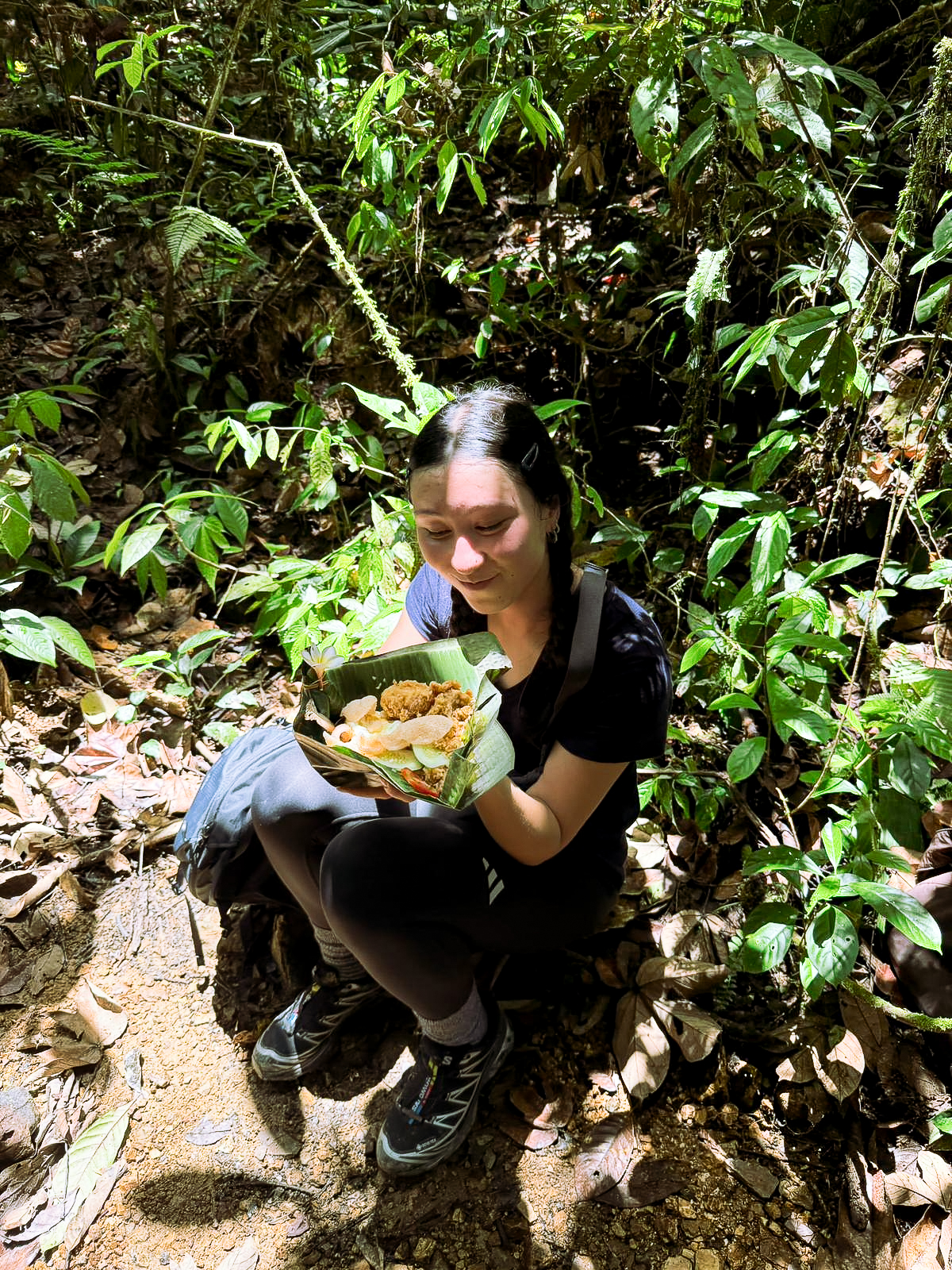
My favourite Indonesian food is definitely bubur ayam. It reminds me a little of Australian porridge, but it is a savoury version with chicken, crackers, crispy toppings, and fried shallots. I eat it often here in Indonesia, and it has become a comforting meal that feels like a little taste of home while experiencing a new culture.