
Lily Bosland is an NCP Scholar from the University of Adelaide. She undertook the Flexible Language Immersion Program during Semester 2 2025 and Semester 1 2026.
You’ve done FLIP twice, you’re involved with AIYA, and you’ve just been named a Westpac Australia-Asia Fellow. How has this experience actually shaped your direction?
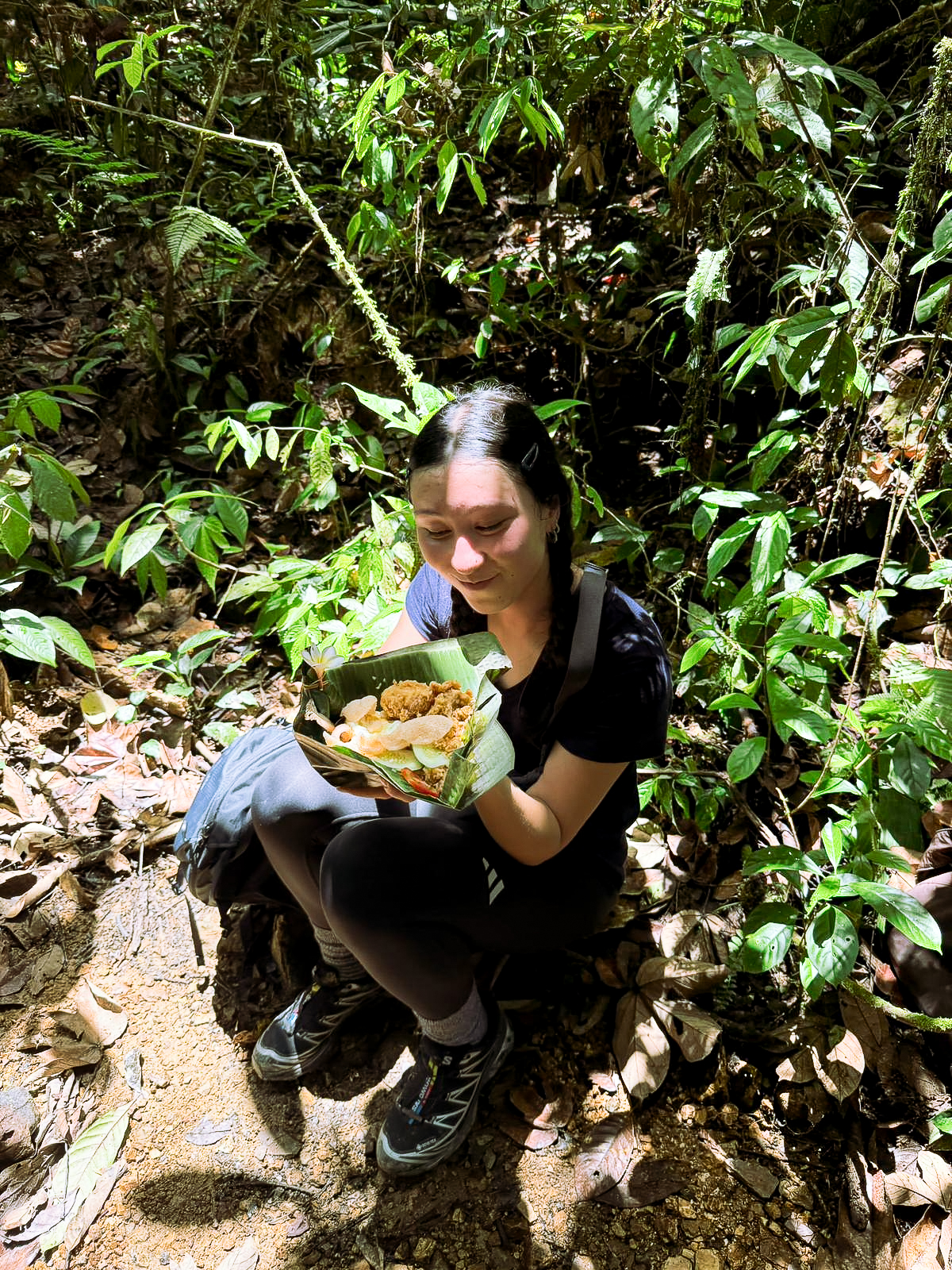
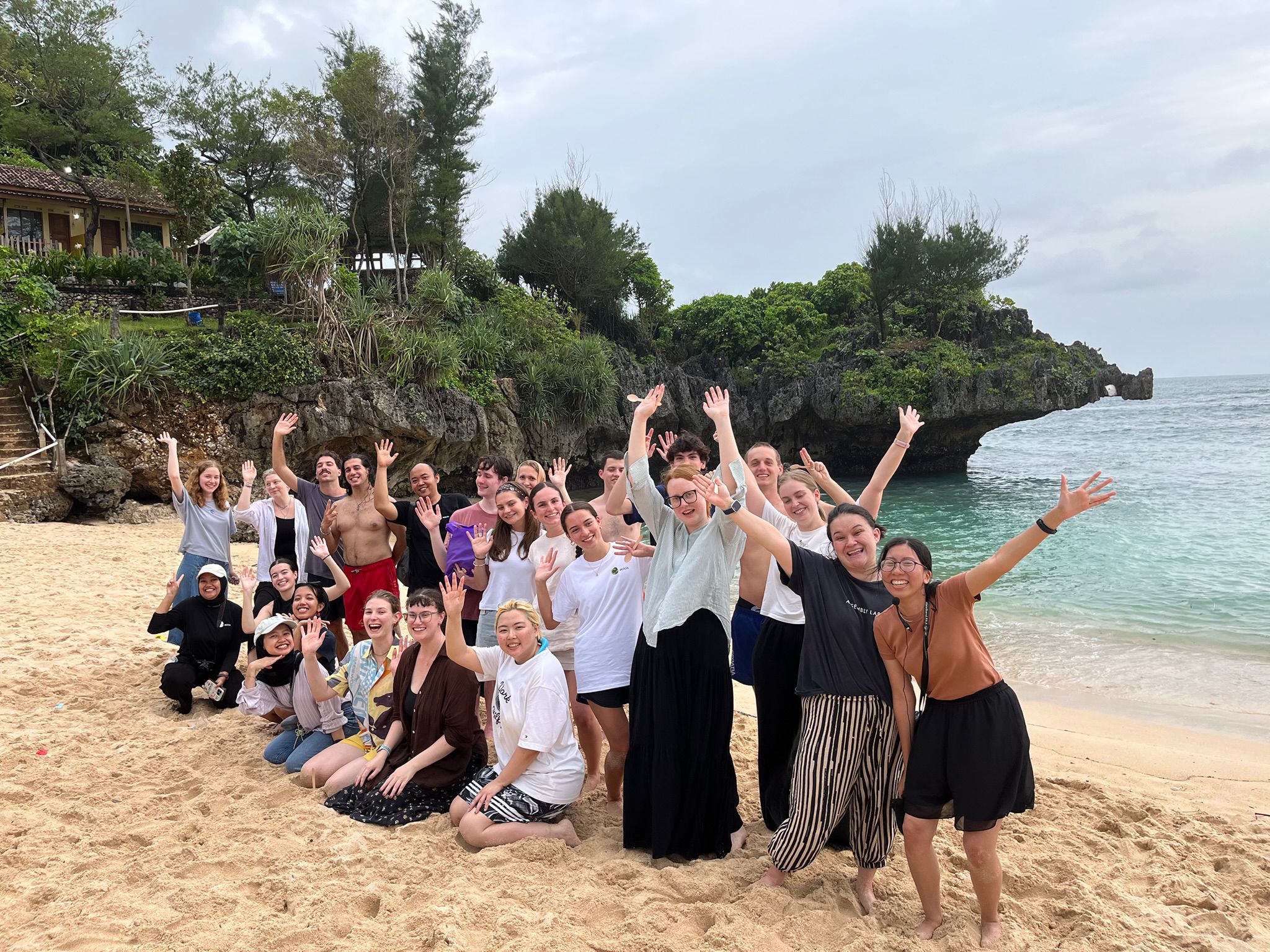
Something which my time in Indonesia has taught me is that Australia’s relationship with Indonesia has many facets, and there is a place for collaboration with every academic discipline imaginable. I arrived in Jogja assuming that every Acicis student would, like me, have studied Indonesia or Indonesian at some point in their life, and that learning Bahasa Indonesia would be their main motivation for studying abroad – however I was very happy to discover this was not the case. During my time in Indonesia, I have met the most fascinating people with a diverse range of skills and interests – many of whom were interacting with Indonesia for the first time – something I believe we need to encourage more in our universities. I have also been lucky enough to meet professionals working at the intersection of their discipline with Indonesia, both in Indonesian and Australian workplaces.
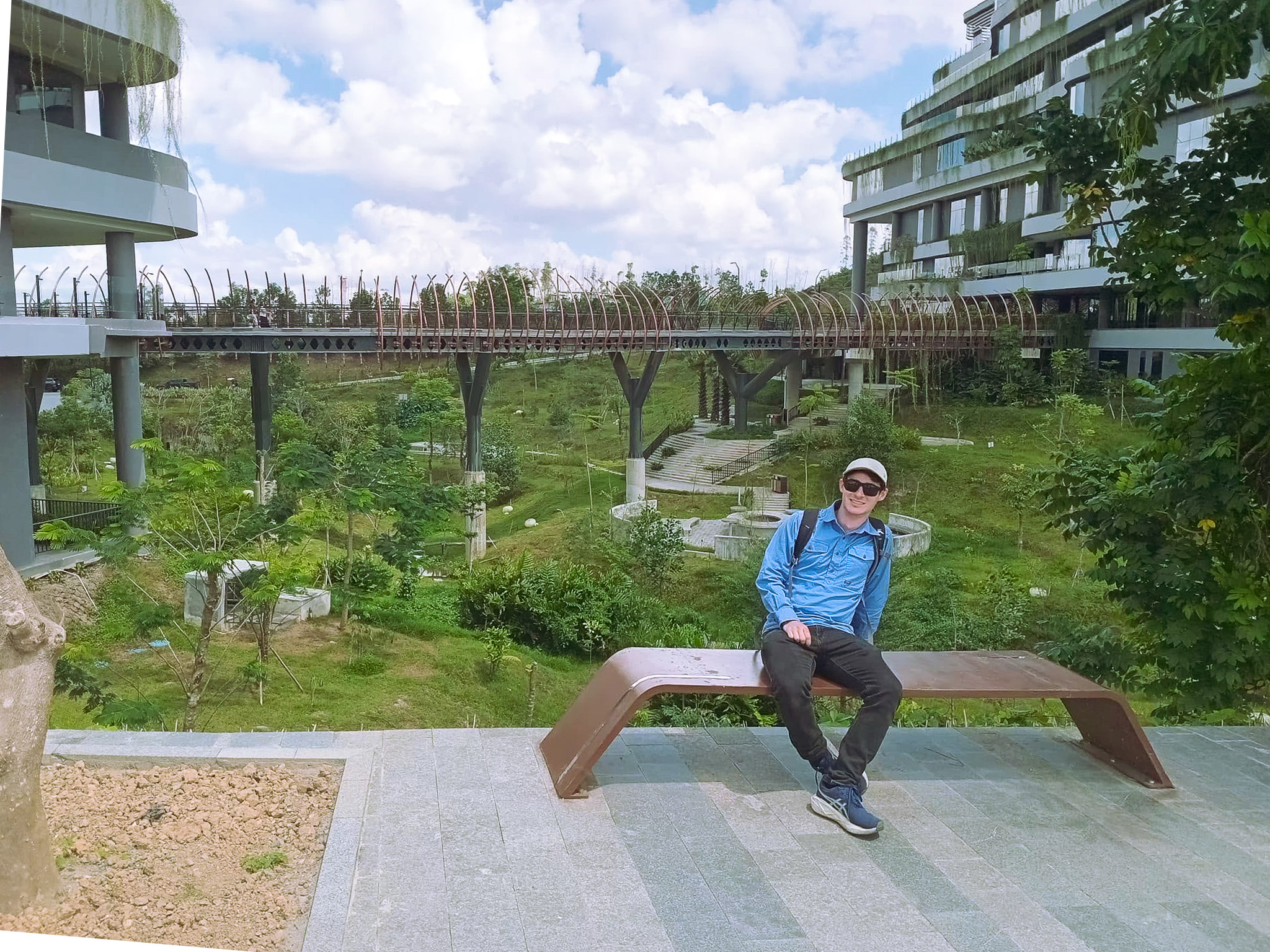
Besides recognising the wide spectrum of student’s interests and priorities, I also came to broaden my own interests. An ASEAN-focused conference I attended in Jakarta was the beginning of my understanding of ASEAN from the perspective of Indonesia, and sparked my desire to continue learning about how ASEAN, Indonesia, and Australia intersect. I gradually learnt more about Indonesia’s role in ASEAN and vice versa, both historical and contemporary, through visiting museums, undertaking a course outside of my regular area of study, and very soon also through the Westpac Australia-Asia Fellowship.
Had I never studied in Jogja, my understanding would be vastly different, and I would not be pursuing the knowledge and experiences I am today. This year has undoubtably changed the course of my life for the better.
What’s the most useful professional or personal skill you’ve built here that you genuinely couldn’t have developed in the same way at home?
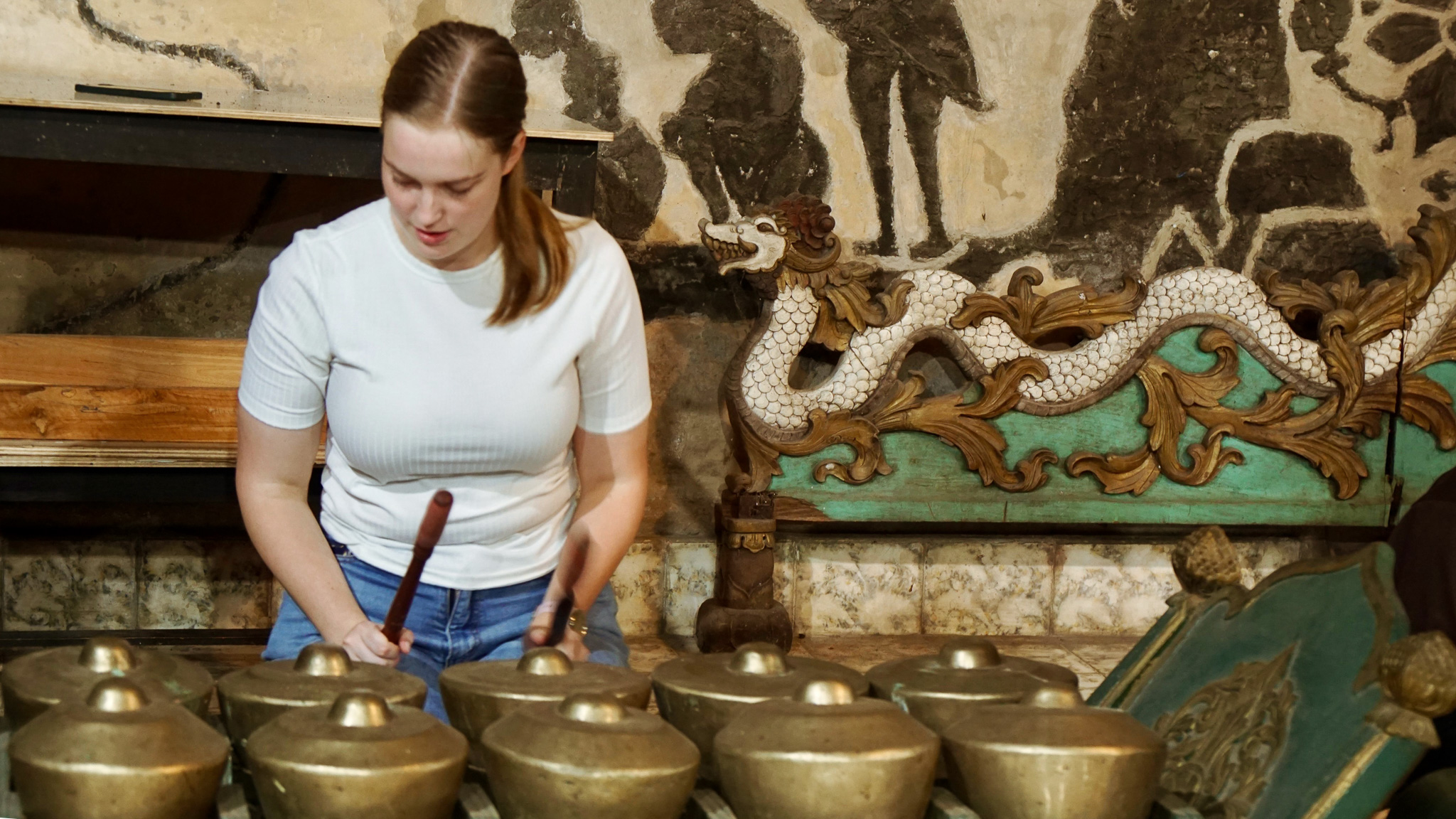
I think the obvious answer is my Indonesian language capability, but I wouldn’t consider this to be just one skill. Learning Bahasa Indonesia in Indonesia comes with a host of new skills including fluency in academic and everyday language, but also involves challenging yourself to speak to new people, confidence, and the ability to think on your feet. The rapid acceleration in my ability to express myself in Bahasa Indonesia since I arrived one year ago has been exponential.
At home, the additional benefits of learning a language are immense, but learning Bahasa Indonesia in Indonesia enabled me to experience profound personal growth. I have built many lifelong friendships in Indonesia with the most amazing and kind people, something I never would have imagined possible before.
Acicis exists to build Australia-Indonesia connections. What’s the most uncomfortable truth you’ve encountered about that relationship, from being inside Indonesia?
I don’t think I fully understood the extent to which Aussies misunderstand Indonesia, prior to going on exchange. From power-adaptors labelled for use in Bali (rather than Indonesia) to friends who told everyone I was in Bali (when I was really in Jogja) because this was the most understandable point of reference for our largest neighbour.
Beyond understanding Indonesia as more than just an extension of Bali, Australia has a long way to go in terms of educating Australians on the diversity of Indonesia, dari Sabang sampai Merauke. Bali is just one island of Indonesia, and is not separate from the diversity of the archipelago. A population-wide understanding of our largest neighbour is essential to a better future in our region. I hope one day we get to the point where speaking a few words of Bahasa Indonesia is the norm, not the exception.
What’s the question about Indonesia that you still haven’t been able to answer, even after two FLIP semesters?
Something I am still trying to work out is how we as Australians can engage better with Indonesia. Despite a broader push, everyday Australians remain relatively disengaged from Indonesia. Since I was little, I have watched more and more of my peers drop their Bahasa Indonesia studies and an increasing number of institutions cutting ties with Indonesian programs and counterparts, something which is incongruent with the importance of the Australia-Indonesia relationship. So what is the solution? How can we spark and sustain interest in Indonesia throughout primary education, secondary education, and beyond? During my year in Jogja, I have not found the perfect solution for an issue as complex as this, however I am all the more motivated to join the individuals and organisations already working on this to contribute to long-term societal change.
If the Lily who arrived last year met the Lily arriving this semester, what would be noticeably different?
I think the Lily of last year would be amazed at how far I’ve come. She never would’ve believed the friends I made, the experiences I said yes to, and the confidence I built in my growing abilities.