
Lachlan Dexter is a Monash University recipient of the New Colombo Plan Mobility Grant. He undertook the Indonesian Business, Law & Society program during Semester 1, 2026.
What sparked your interest in choosing Indonesia as your host country?
I’ve studied Indonesian language since high school which lead me to major in Indonesian in university, then being the obvious choice for my host country. I’m very invested in learning all about Indonesia; it is so interesting to learn about a different culture with different people, different way of life, different language, and different food. Expanding views into an international setting is important for everyone and doing so in Indonesia is one of the best ways as an Australian. Indonesian language is easy compared to many others and, more importantly, Indonesia is one of Australia’s closest neighbours. As an individual, this brings new skills, priceless experience, broader relationships, career opportunities, and more.
What classes/units are you currently enrolled in? Which one is your favourite?
At Universitas Islam Indonesia, aside from my internship, I’m currently undertaking Strategic Management, International Operations Management, and International Marketing Management. These three units complement each other well and I think my favourite is International Marketing Management. In this class, we study how a business can exist in different parts of the world, learning about different strategies and how they adapt in international expansion. Rather than simply learning about internal components of a business, International Marketing Management incorporates elements like culture, values, and norms in different countries and how it influences strategic decisions.
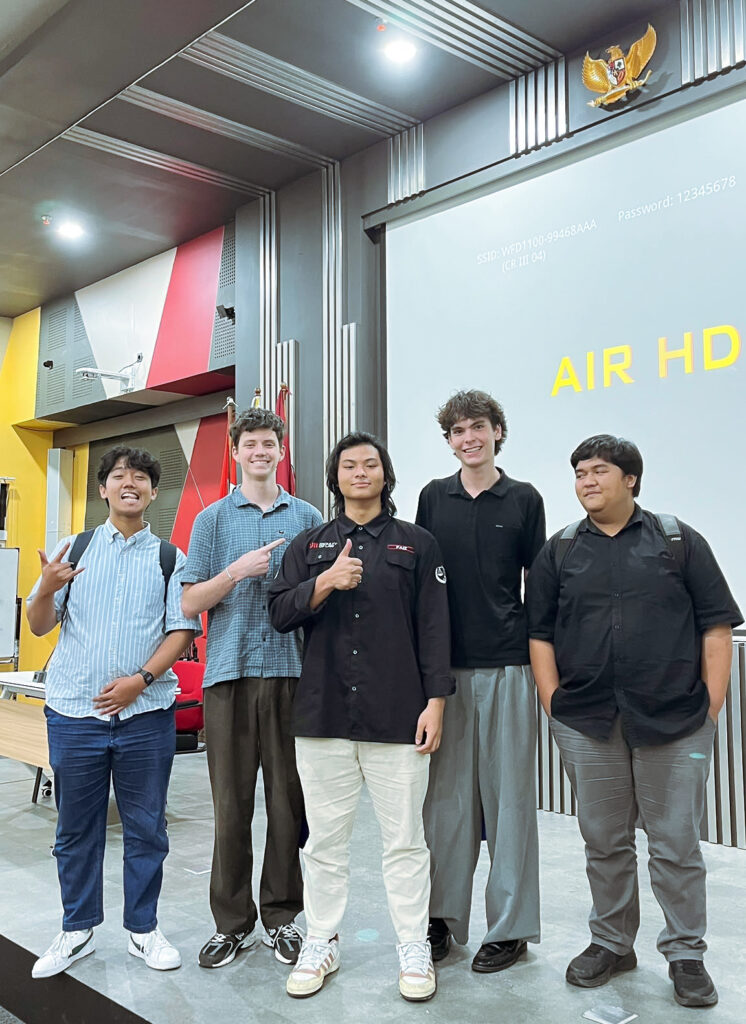
Tell us about your internship – what does your day-to-day actually look like, and what has working inside an Indonesian organisation taught you so far?
I’m completing my internship at an organisation called Yayasan Senyum Kita (YSK) who’s aim is to improve education for children that are orphaned, disabled, or at serious disadvantage. I’m primarily interning in the financial administration division but sometimes assist in operations with the Lembaga Kesejahteraan Sosial (LKS) (social welfare) team. Day-to-day, some of my tasks include: basic accounting, transaction records, wage reports, translating documents into English, attending field visits with the LKS team and record keeping with LKS. This has been my first internship experience in an office workplace so I’m happy to say that it’s been very valuable and fun. I’ve enjoyed learning about Indonesian work culture and financial administration skills that I can apply in any workplace, as well as the incredible work that YSK does every day. It’s great to be a part of an organisation that makes a real, visible difference in the surrounding community.
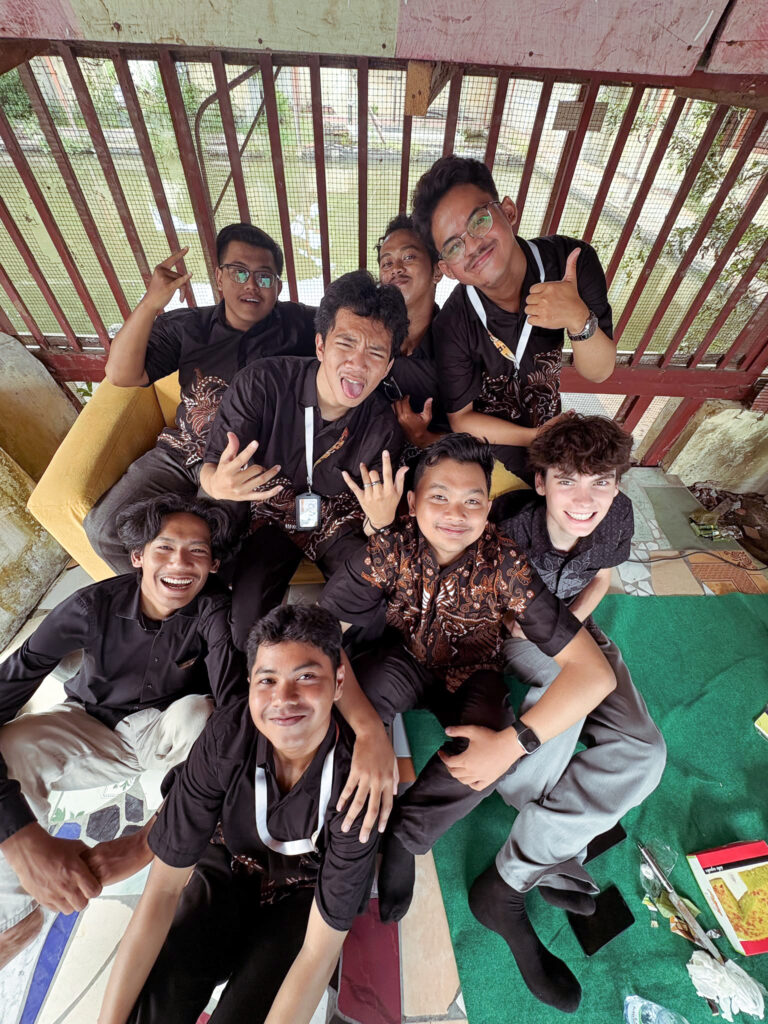
You’re inside an organisation working directly with Indonesian communities. What’s something about how development actually happens here – at the community level – that surprised or challenged your assumptions?
Something that surprised me was how much development depends on personal relationships and trust. Staff at Yayasan Senyum Kita work hard in building valuable relationships and spend significant time to understand the circumstances of those less fortunate. Before this internship, I assumed that development organisations are only really concerned with delivering resources or aid, but I’ve since learnt that meaningful community empowerment is built upon genuine engagement and time spent with those being supported.
What do you like to do in your spare time in Indonesia?
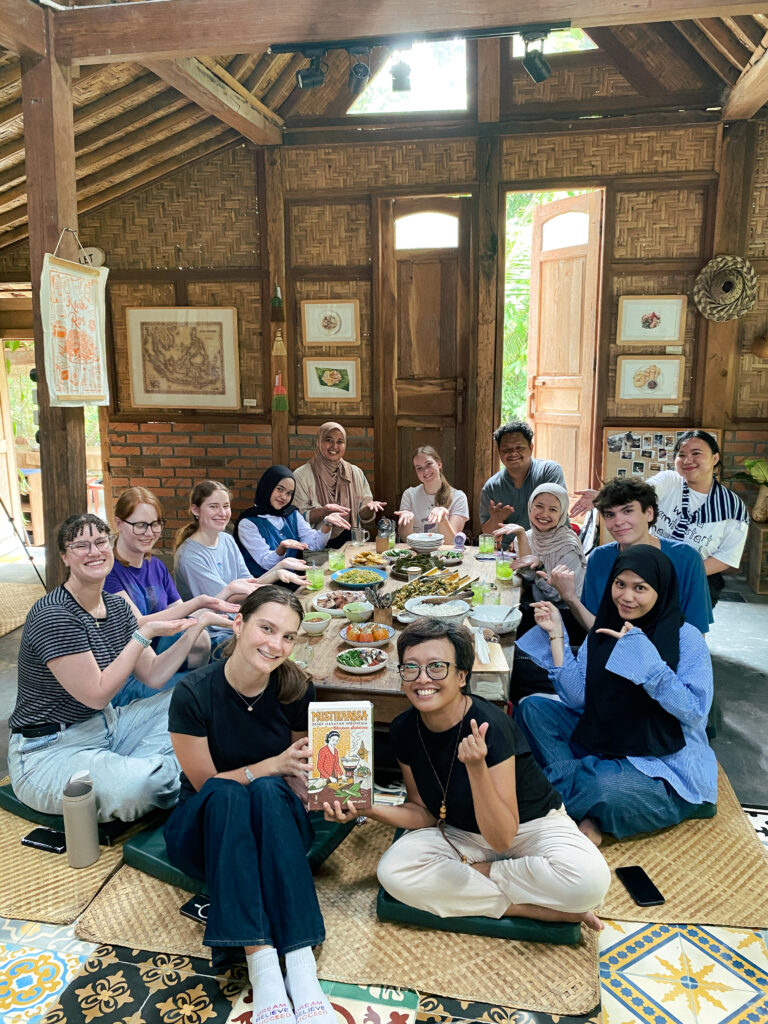
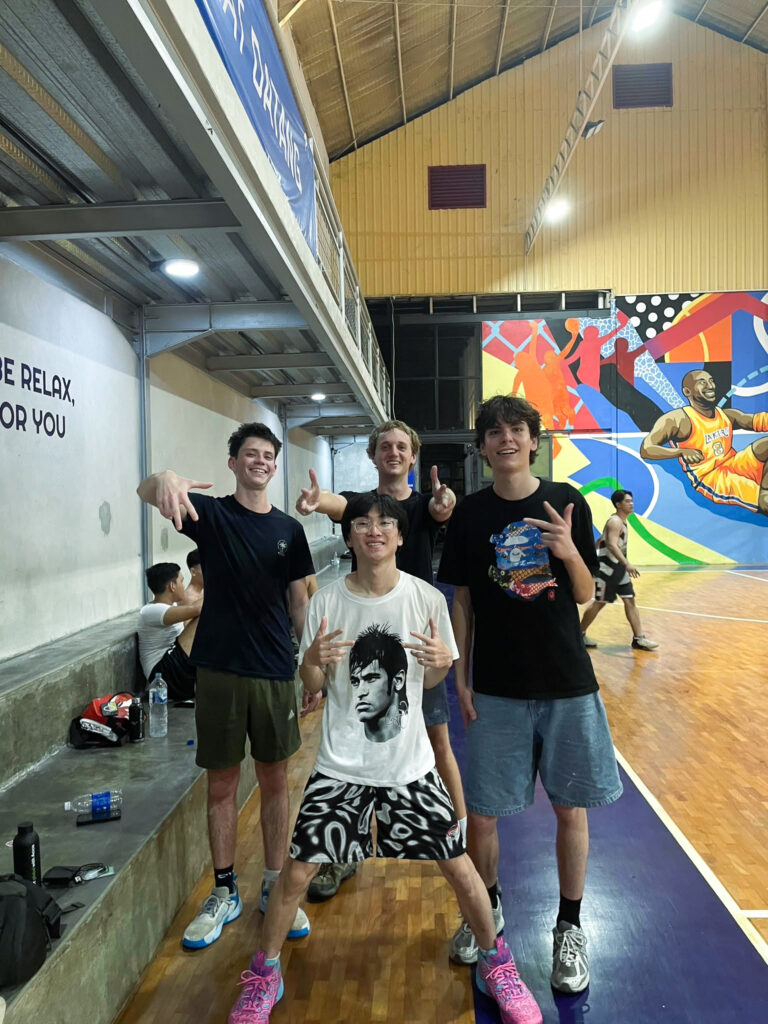
I’ve been very much enjoying playing different sports in Jogja. I’ve played a couple games of soccer and a few games of padel over my semester, as well as basketball at least once a week. Sport has been a great way to stay healthy, have fun, bond with existing friends, and meet new ones. Other than playing sport, I’ve formed strong relationships with the other Australians studying here mainly through the Indonesian concept of ‘nongkrong’. Nongkrong basically means hanging out just for the sake of hanging out, spending time with friends in a very relaxed setting with no specific plans, often (in true Indonesian fashion) with a coffee and cigarette.
|
|
What’s the most interesting discovery or story during your stay in Indonesia?
I think my most interesting experience in Yogyakarta was taking part in Eid al-Adha celebrations, it was unlike anything I have or will ever see in Australia. Eid al-Adha celebrates the Prophet Abraham and his willingness to sacrifice his son Ishmael, as a test of his faith and obedience to God. On the 27th of May, mosques around Indonesia honoured this holiday by performing the ritual sacrifice of livestock, with the meat distributed to those in need. I went to a local mosque on this day with three friends and was honestly shocked by what I saw initially, it was very confronting to see dozens of cows and goats being sacrificed in this community hub, like an open butcher. I did understand the religious significance and knew that all of this meat was going to good places, but I’d be lying if I said it didn’t freak me out a bit, it was overall a very unique day compared to anything that I’ve done back home.
What almost stopped you from coming, and what do you wish you’d known earlier that would have made the decision easier?
I didn’t have any major discouraging factors to stop me from coming, however, one thing that would’ve made me more confident in coming to Jogja is doing more prior research about the program and the city. When first arriving, I wish I knew more about little things such as: city layout (especially in relation to the location of my university), semester dates and holiday times, and maybe some Kos research. With that being said, Acicis and the first friends I made were all incredibly helpful with these sorts of concerns, it wasn’t hard at all to have my questions answered and quickly find out what I wanted.
What helpful advice do you have for students who want to join a similar program in Indonesia?
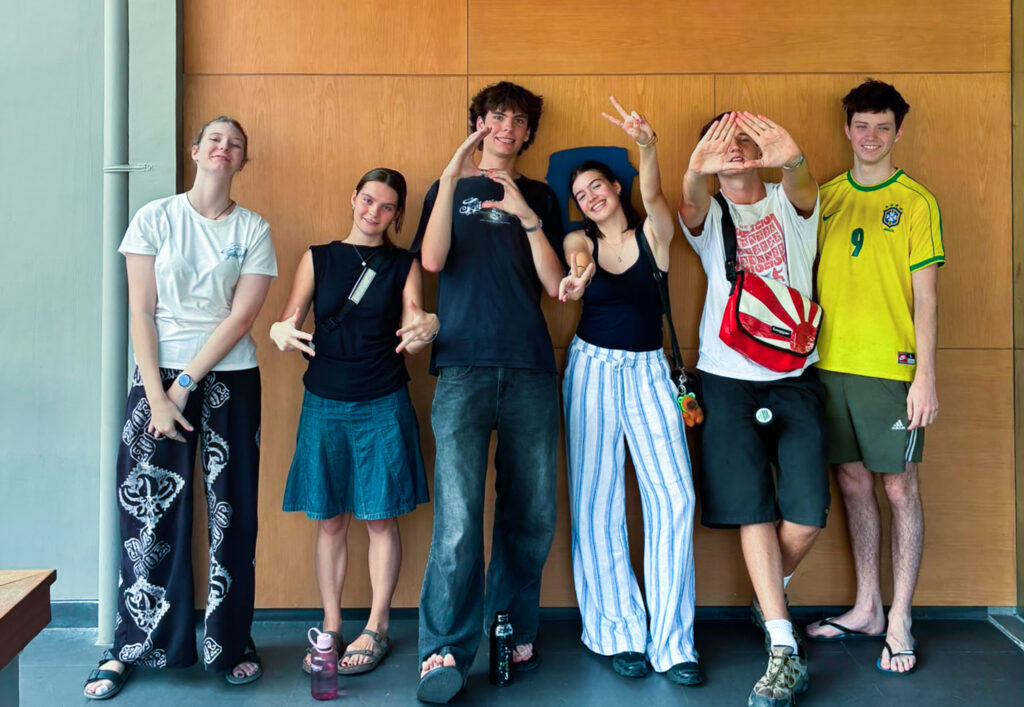
Do it! My best advice is to be outgoing; make the most of your time abroad by engaging with the community, other Australians, other exchange students, university peers, etc. Talking to different people and making new friends is pertinent to new experiences. Speak to students who have already spent time studying in the city, they know what it’s like as a foreigner and the best ‘bule’ spots, local friends will show you what the real Indonesia is like, and university friends will help you with the Indonesian studying life. These relationships will then grow where you meet friends of friends and unlock even more opportunities. I believe that networks are the key to making the most of your time abroad.
 |
|

If you were briefing an Australian business thinking about entering Indonesia, what’s the one thing about Indonesian professional culture you’d tell them they absolutely must understand?
I think my best advice would be to understand how Indonesian society works as a collectivist community. Generally, Australians value individualism and personal gain over anything else whereas Indonesian society is built on shared growth and mutual benefit. For an Australian business entering Indonesia, this means that earning trust and proving a long-term commitment to local communities are just as important as offering a high-quality product. Businesses that are able to effectively understand local markets and their values are most likely to achieve long-term success.
Favourite Indonesian word/phrase? Why?
There are many good Indonesian words and phrases, I think my favourite one (at least recently) has been ‘plonga-plongo’, it’s a very funny word to me and sounds exactly like what it means, dazed and confused. It refers to that feeling of being empty-minded, clueless, or lost.