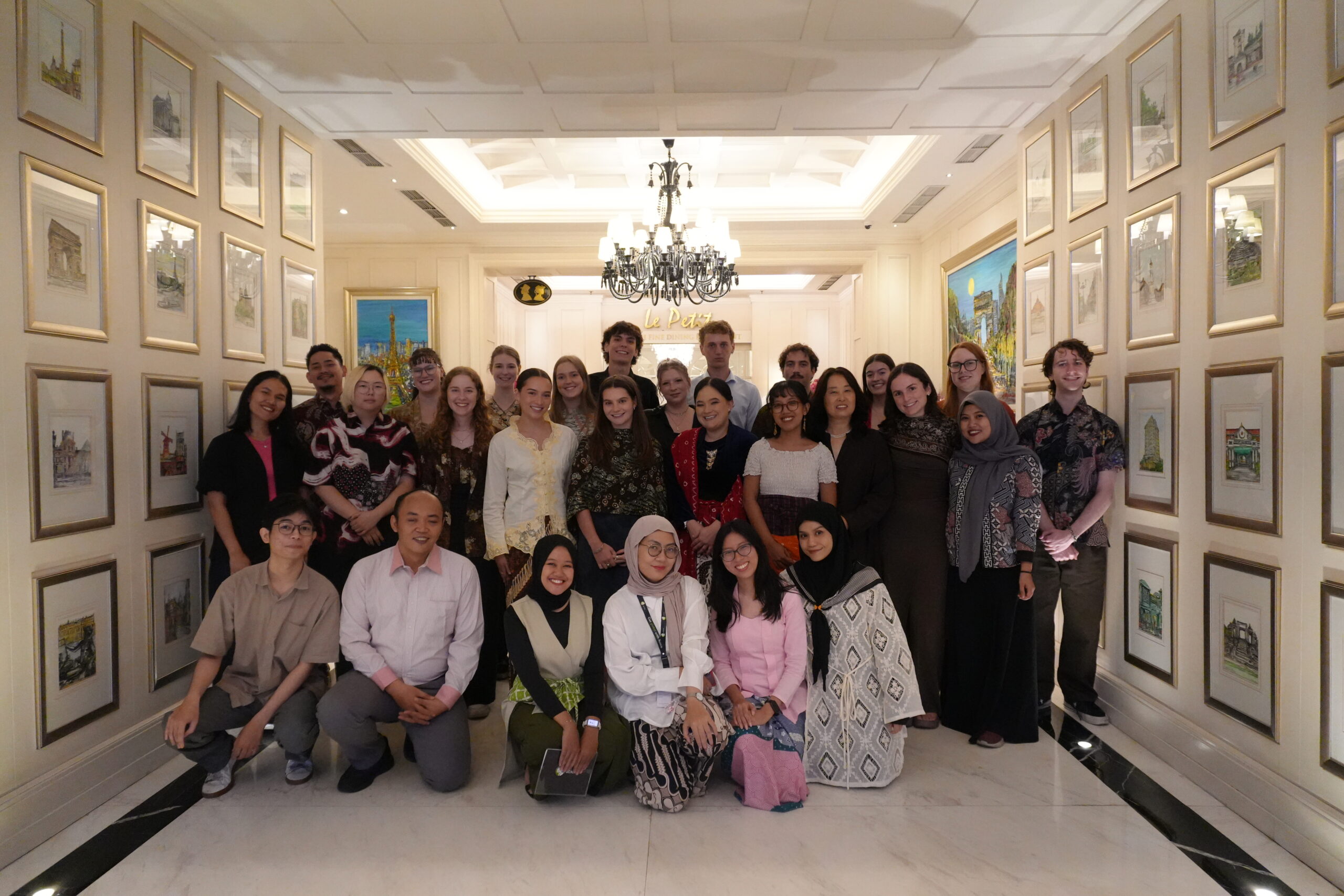

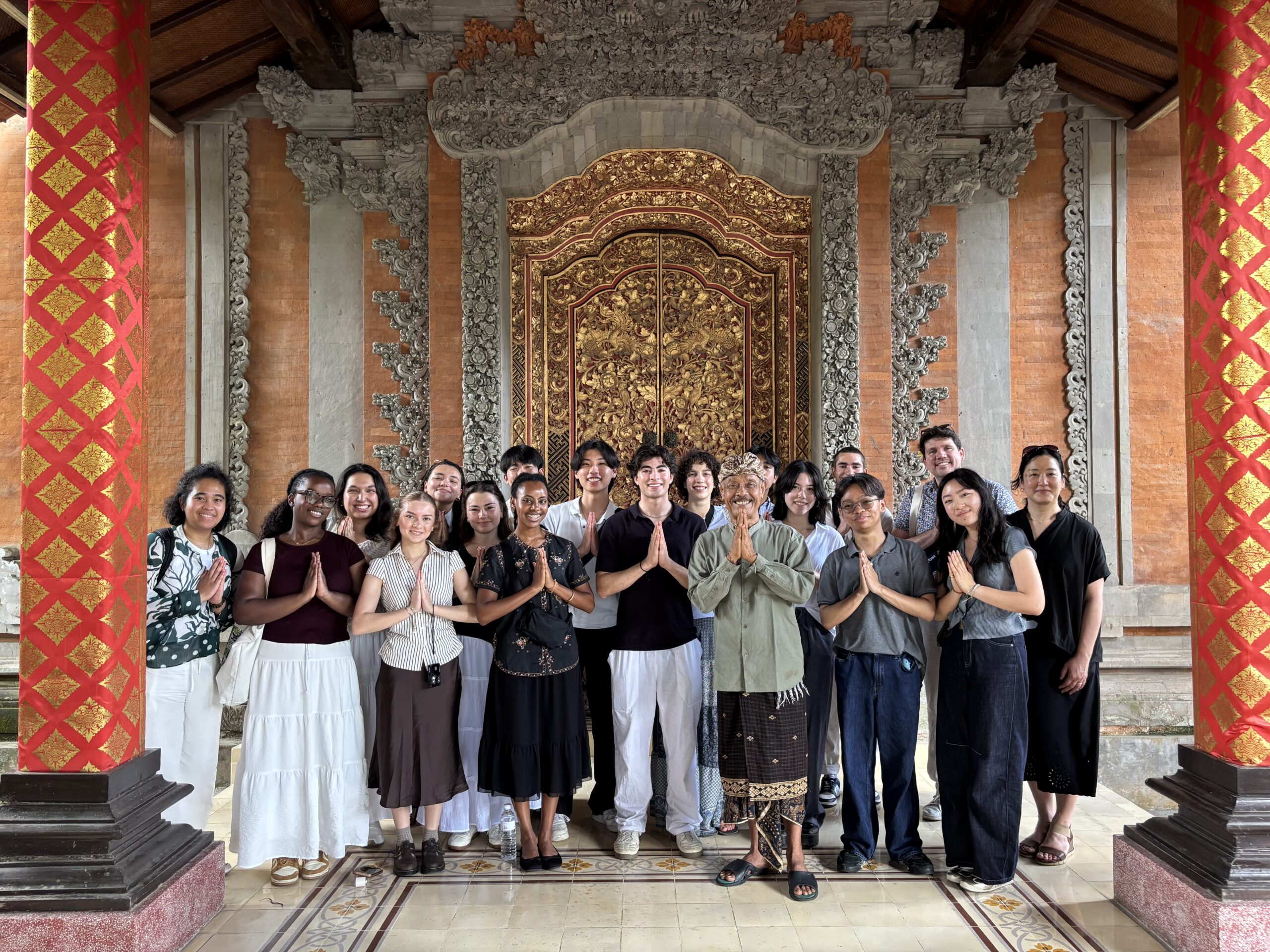
Penn Global Seminars (PGS), from the University of Pennsylvania, are semester-long courses that combine on-campus coursework with immersive travel experiences. Acicis was delighted and honoured to host, for the second time, the travel component of Tourism, Sustainability, and Local Impact in Indonesia, led by Dr Helen Jeoung from the Critical Writing Program at the School of Arts and Sciences. Building on the success of the inaugural 2024 program, the 2026 seminar brought 16 students to Bali from 14–21 May, where they engaged with local institutions, sustainability initiatives, cultural practitioners, and community leaders.
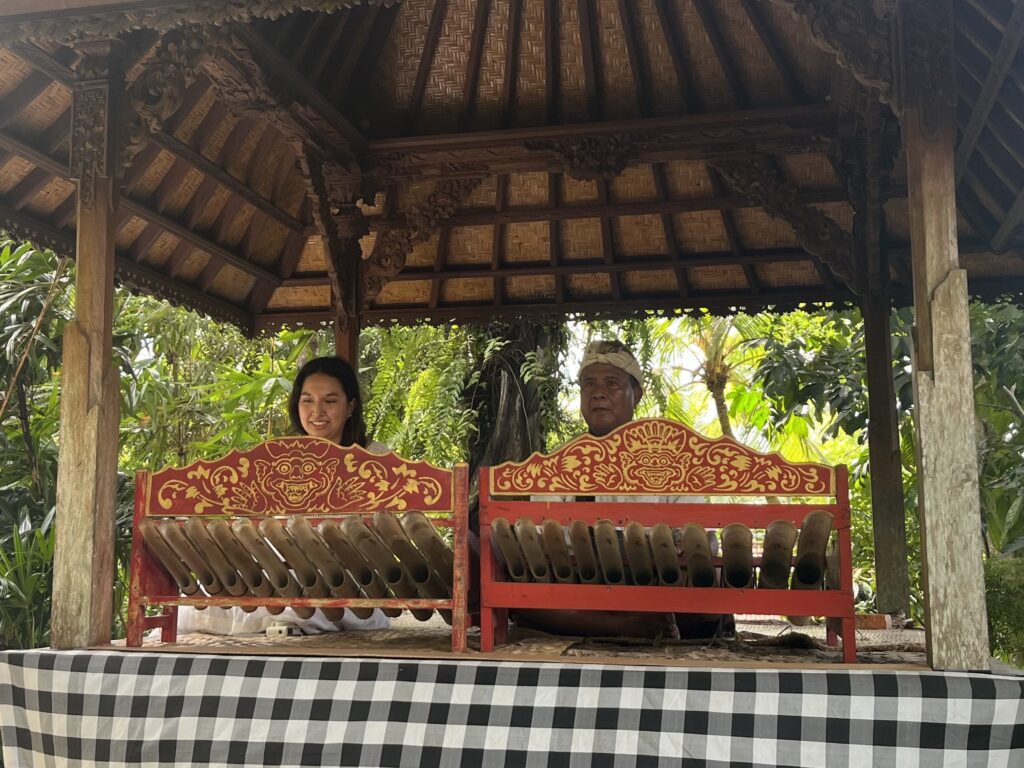
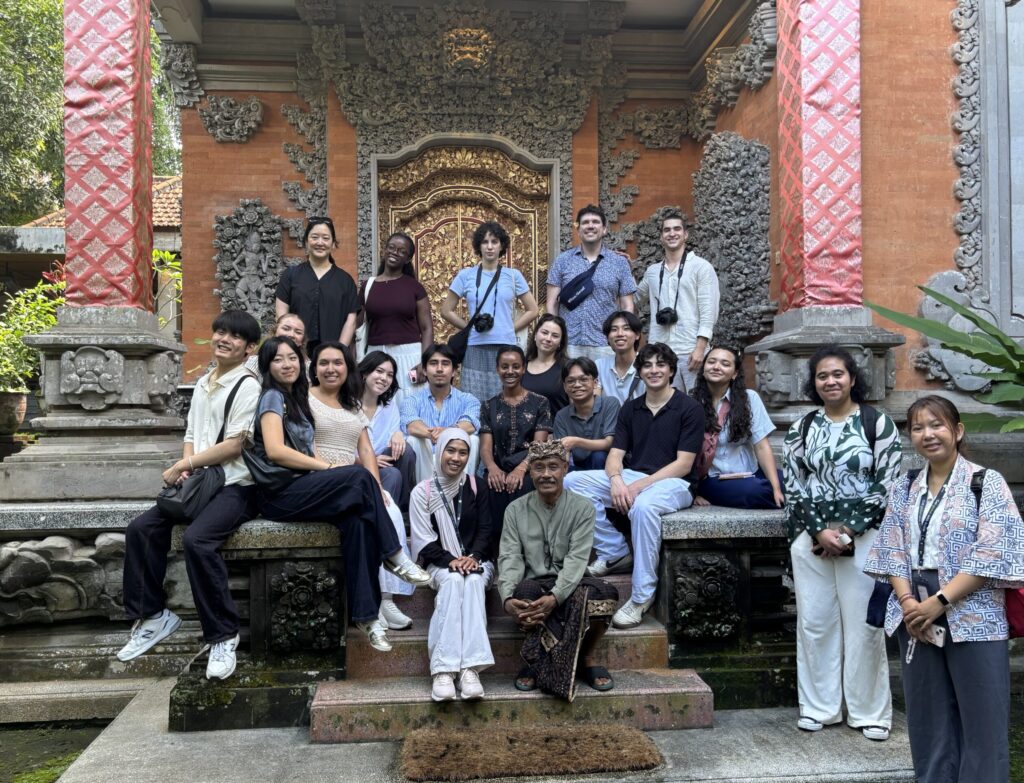
In Ubud, the students participated in a variety of enriching cultural activities and field visits that deepened their understanding of Balinese heritage, sustainability, and local community life. One of the highlights was visiting Agung Rai Museum of Art (ARMA), where students had the opportunity to meet the founder and learn about the important role of art and cultural preservation in Balinese society. Founded by Agung Rai in 1996, ARMA was established not only as a museum, but also as a centre for preserving and developing Balinese arts and culture.
Learning to Play Rindik at ARMA |
ARMA |
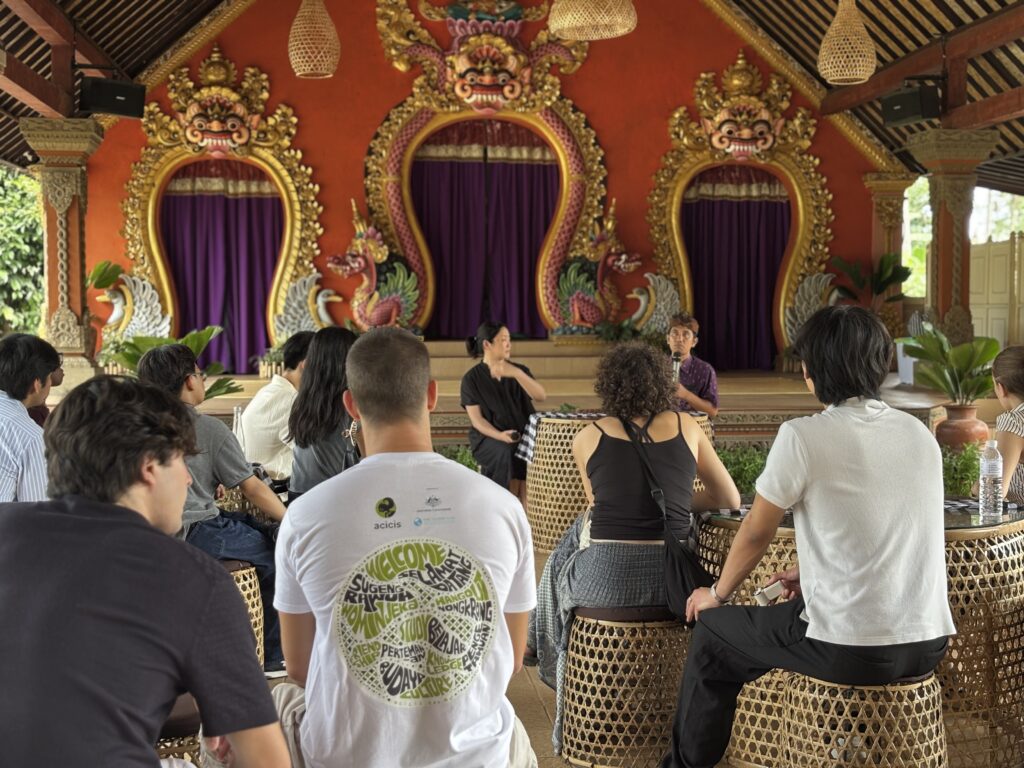
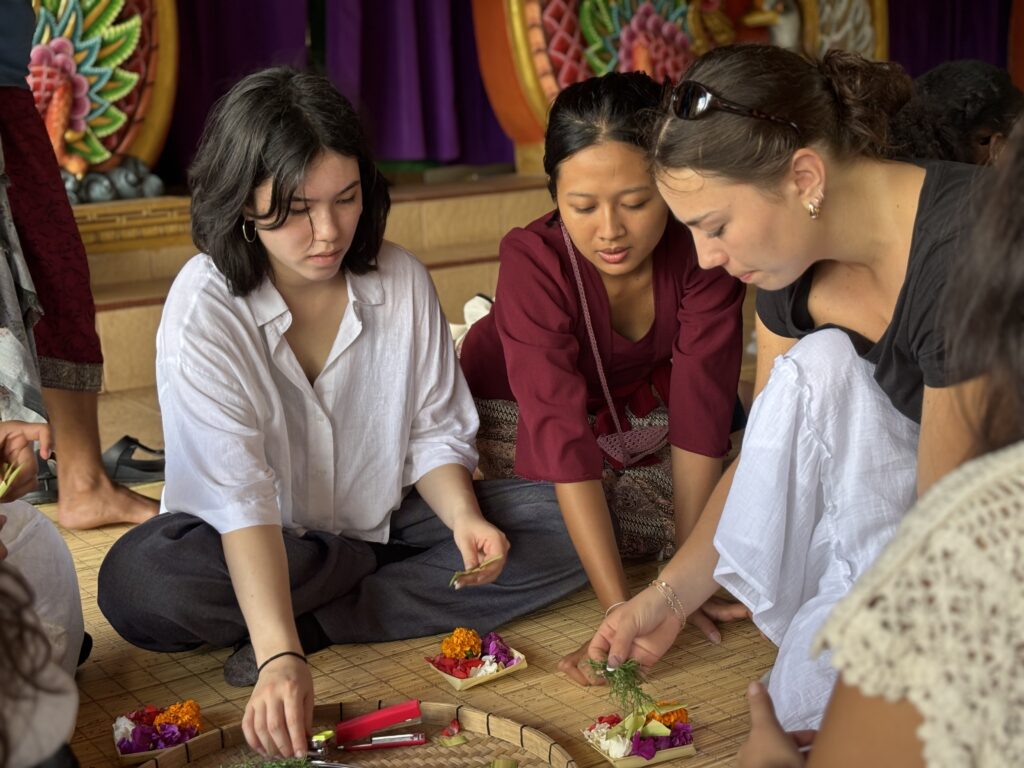
Later on, the students visited Penglipuran Village. They had the opportunity to meet the village chief and learn directly about the village’s community values, traditional governance system, and strong commitment to sustainability and cultural preservation. The experience was complemented by a guided village tour, where students explored the unique layout, architecture, and daily life of one of Bali’s best-preserved traditional villages.
Discussion with Penglipuran Village’s Chief |
Canang Sari Workshop at Penglipuran |
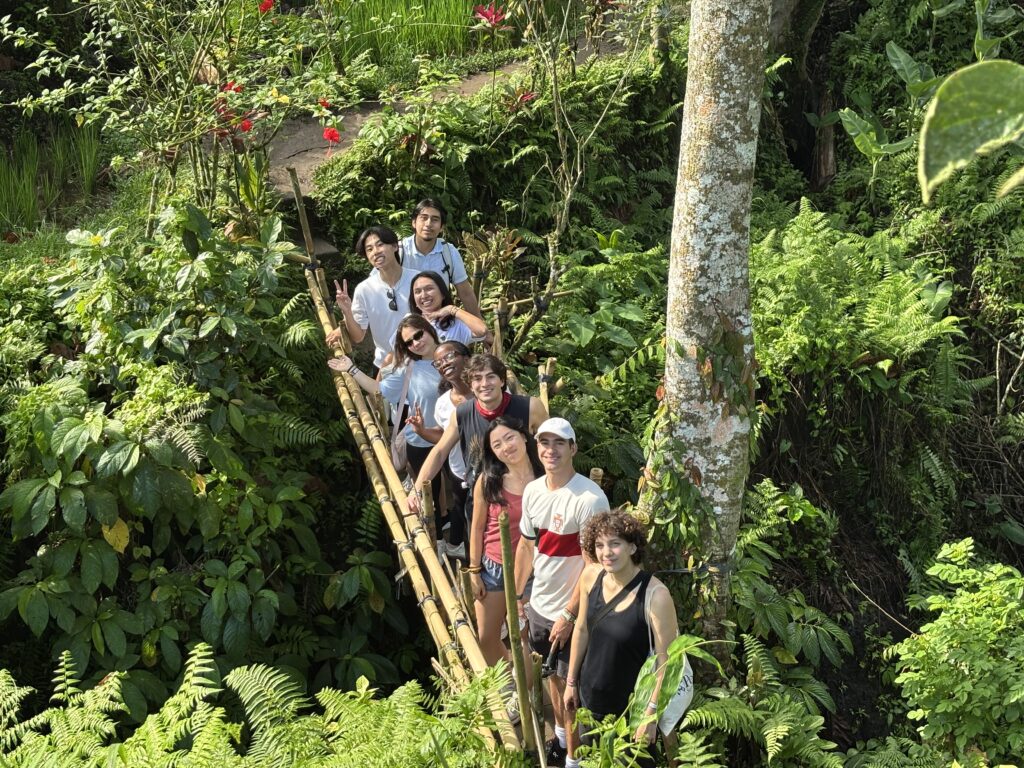
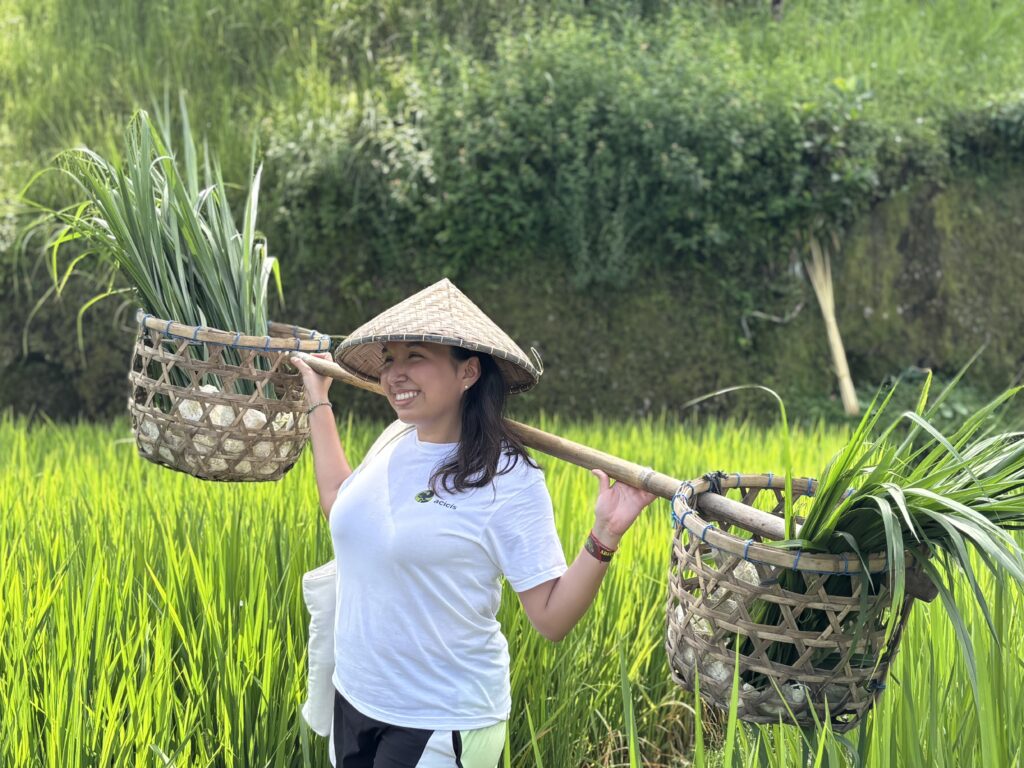
The next day, the students explored the iconic Tegallalang Rice Terrace alongside local guides, who showed them Bali’s traditional subak irrigation system and local farming culture. During the hike, students learned about the spiritual and communal aspects of rice farming, including the temples located within the rice terraces and the various local plants growing throughout the area. For many participants, one of the most memorable moments was experiencing fresh coconut water directly from the tree, prepared by the local guide during the walk.
 |  |
To further immerse themselves in Balinese culture, students participated in a batik workshop hosted at the traditional Balinese compound home of Bapak Deking, a retired English teacher who now dedicates his time to preserving and sharing local artistic traditions. Another cultural highlight was the visit to Ubud Water Palace, where students attended a one-hour Balinese traditional dance performance.
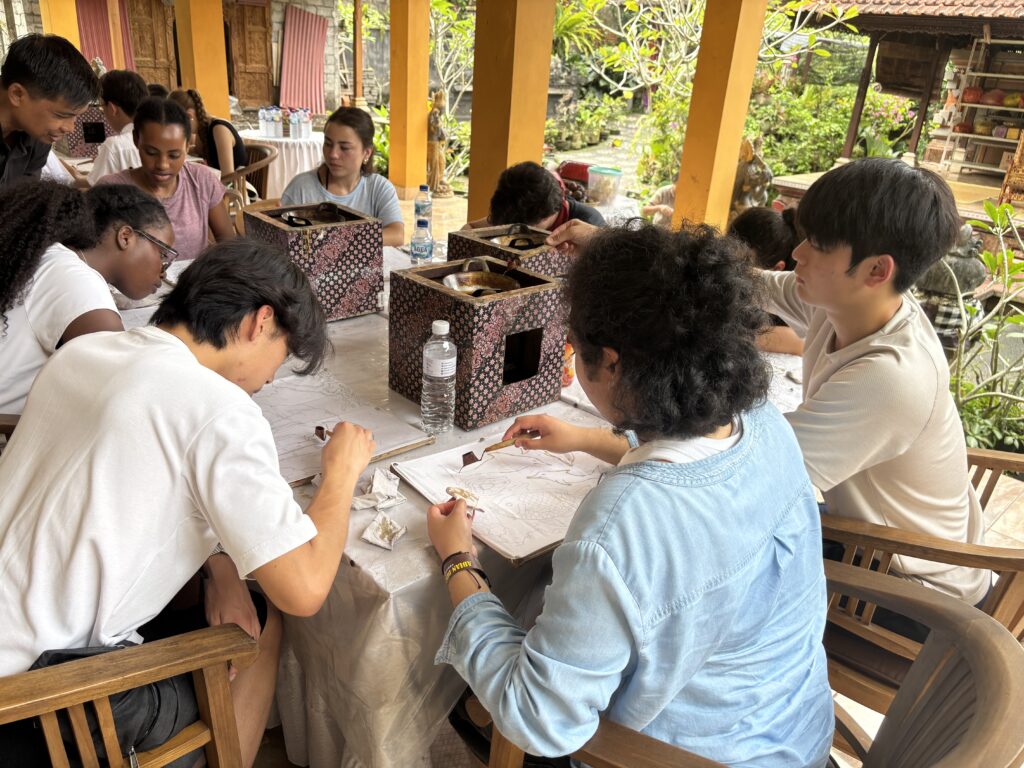 Batik Workshop | 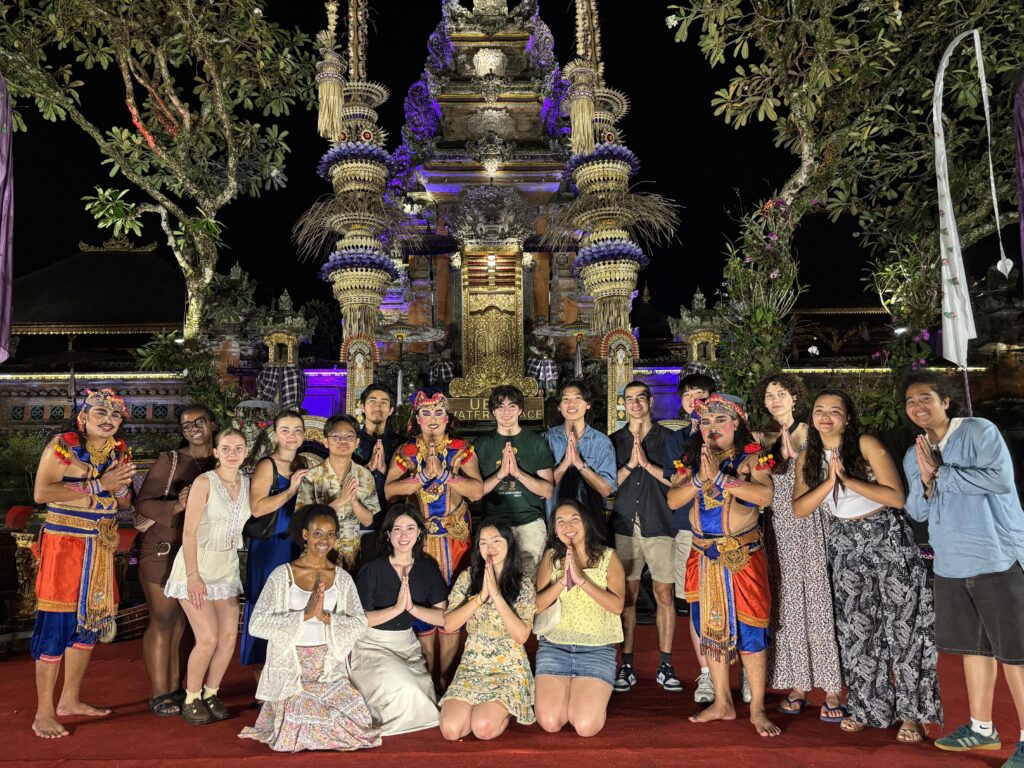 Ubud Water Palace |
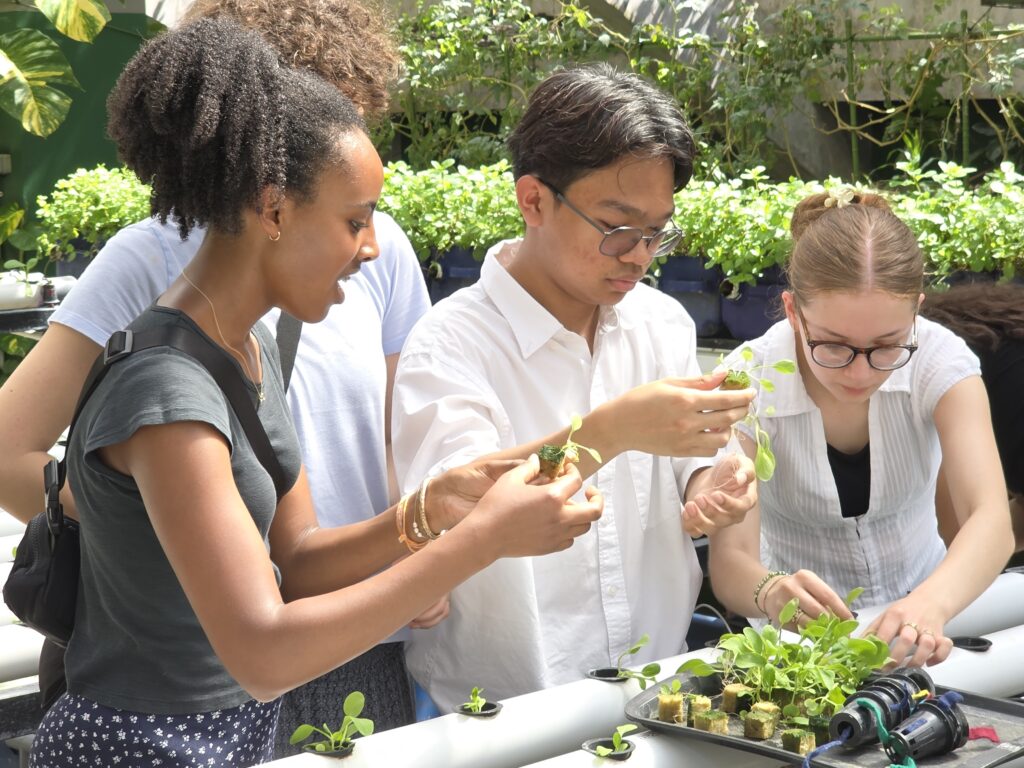
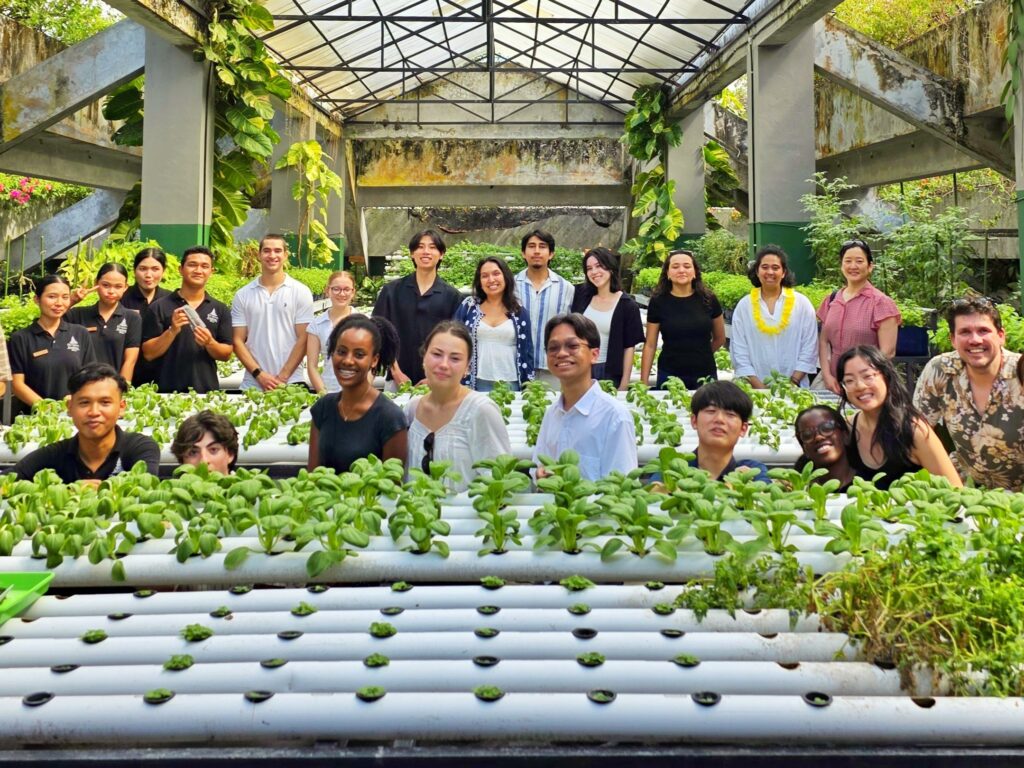
At the Apurva Kempinski Bali, students learned about the hotel’s sustainability practices. The session was followed by interactive, hands-on activities, including making eco-enzymes and participating in nursery planting, allowing students to directly engage with environmental sustainability efforts.
 |  |
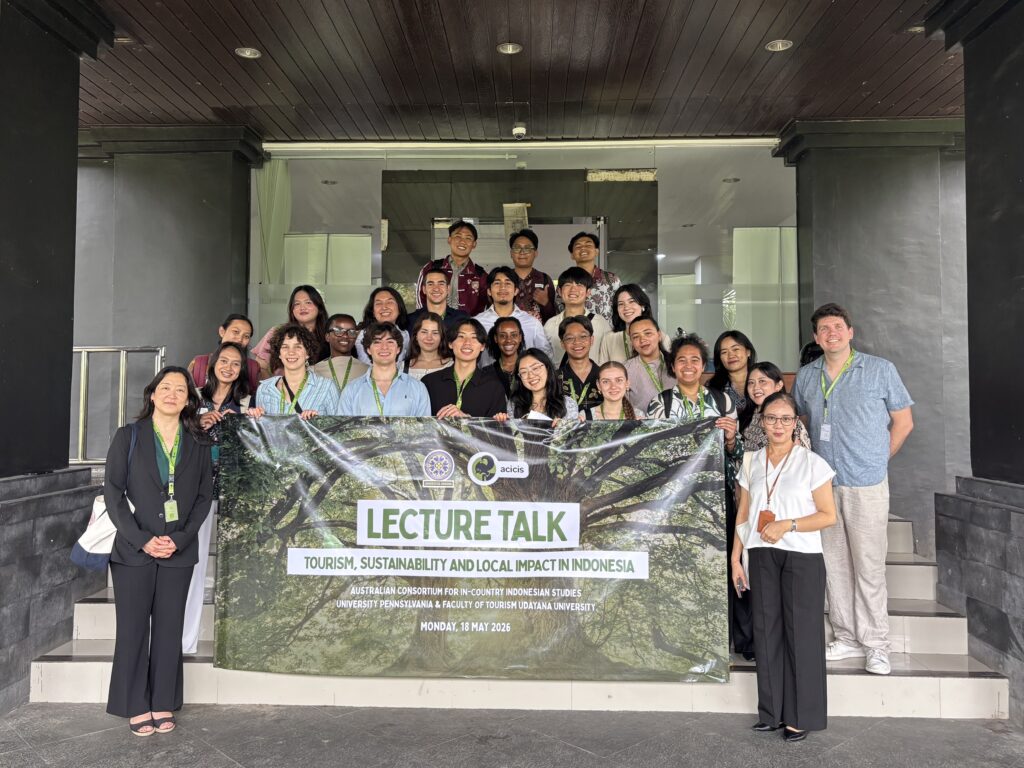
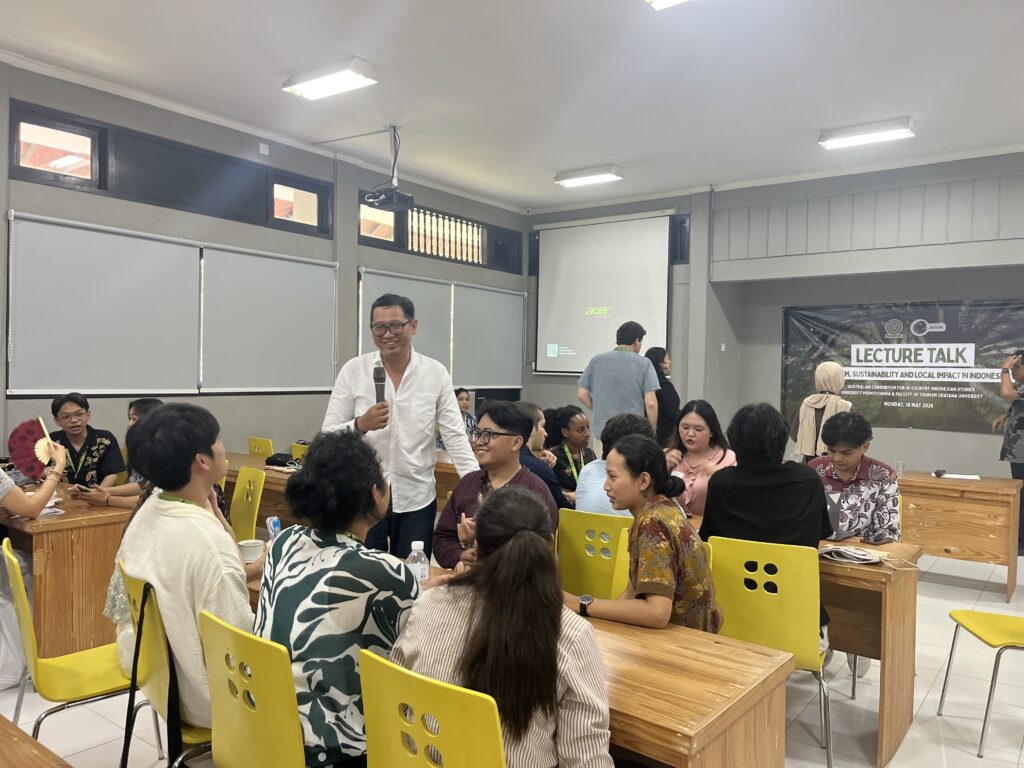
Academic learning was also strengthened through sessions at Udayana University, where students attended lectures and discussions with local experts and practitioners. Prof. I Nyoman Darma Putra introduced students to Balinese culture, society, and the complexities of tourism development in Bali, encouraging deeper reflection on the relationship between cultural preservation and modern tourism. Students also attended a session by I Dewa Kadek Wira Sanjaya from the Coral Triangle Center, who presented on the Coral Triangle region and highlighted the importance of marine conservation, environmental sustainability, and the challenges facing coastal ecosystems in Indonesia.
 |  |
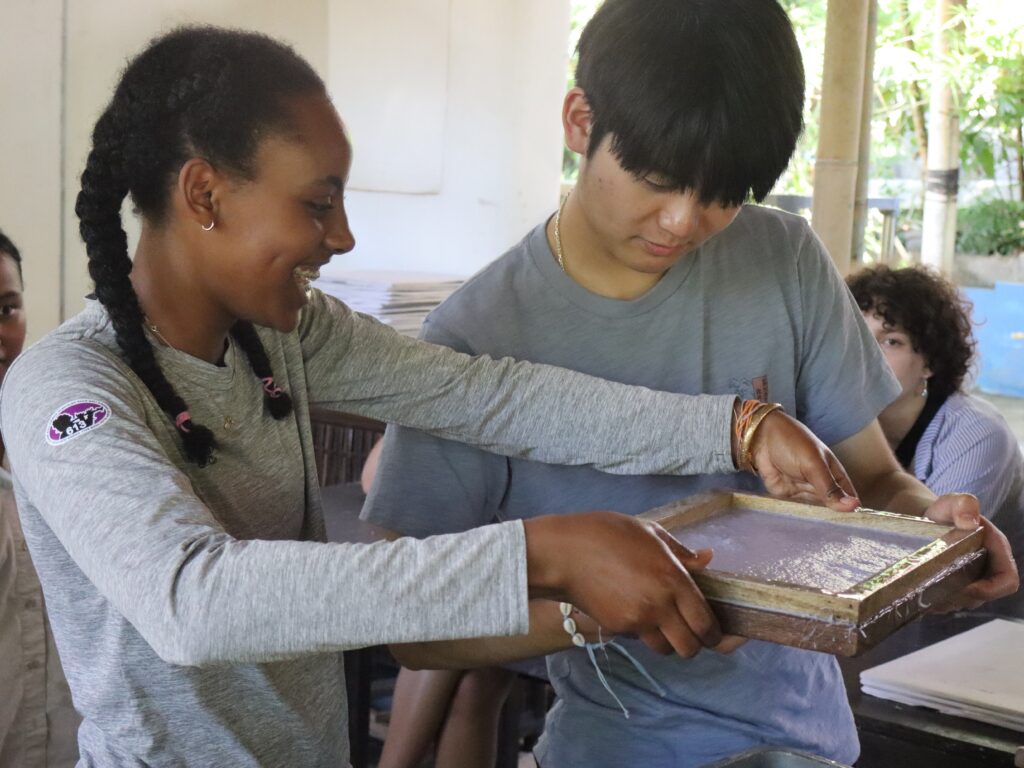
In South Bali, students explored Bali’s mangrove ecosystem together with a local fisherman community that actively protects and preserves the mangrove forest while simultaneously developing the area as an ecotourism site. Through this experience, students learned about the environmental importance of mangroves in protecting coastal ecosystems and supporting local livelihoods. After that, the students visited ROLE Foundation, where they learned about sustainable practices, including soap and paper recycling, waste management, and kele-kele bee farming.
 Recycle Paper Making at ROLE Foundation Recycle Paper Making at ROLE Foundation | 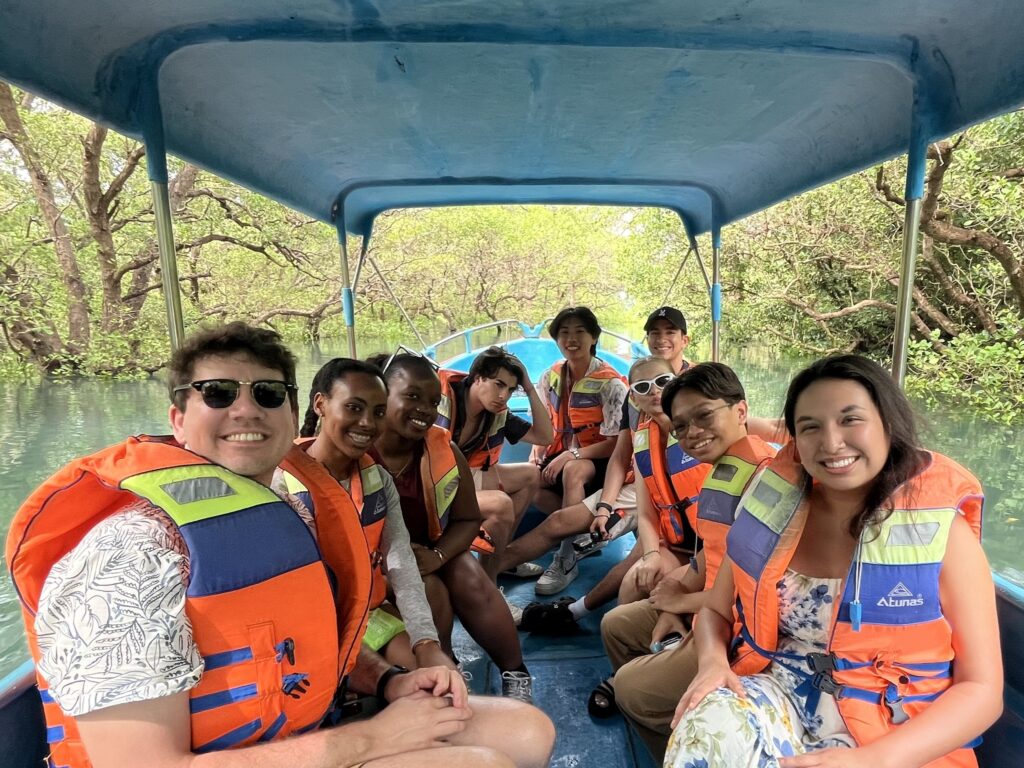 Mangrove Boat Tour Mangrove Boat Tour |
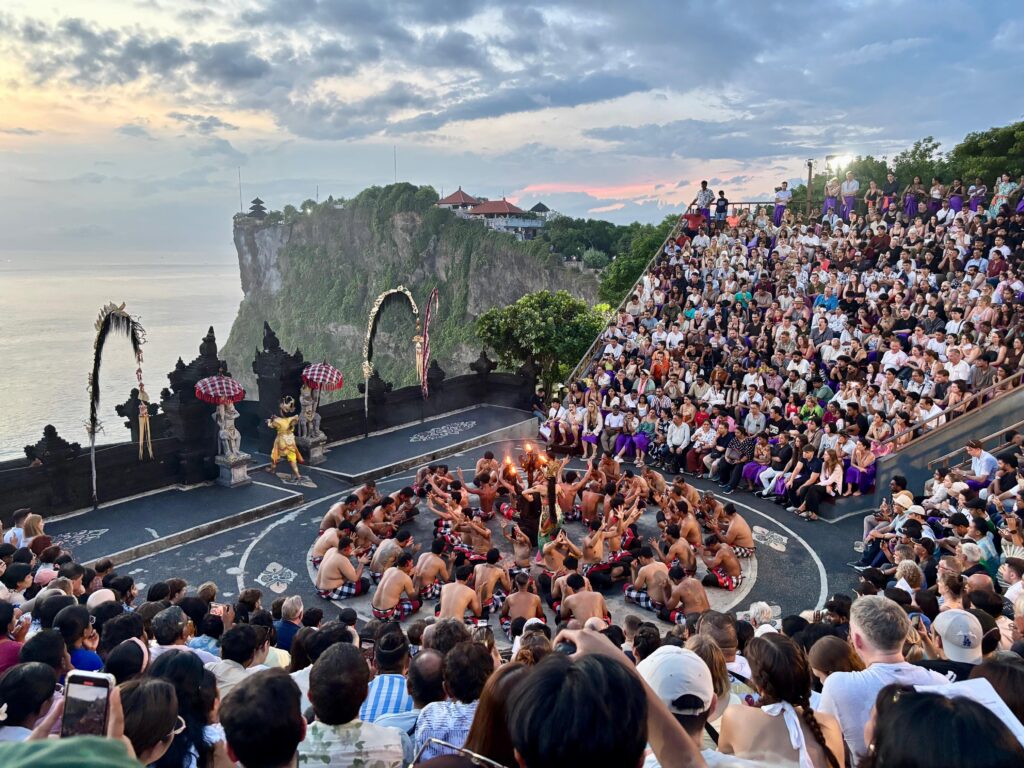
The program also included a visit to Uluwatu Temple, one of Bali’s most iconic spiritual and cultural landmarks, located on the island’s southern cliffs. During the visit, students watched the famous Kecak dance performance set against the backdrop of a beautiful sunset overlooking the Indian Ocean, creating a memorable cultural experience that combined Balinese storytelling, spirituality, music, and natural scenery.
The PGS program concluded with final presentations in which students reflected on their experiences and evolving perspectives during their time in Bali. Through these presentations, students shared how the program reshaped their understanding of Bali beyond its image as a tourist destination, encouraging them to see the island through deeper social, cultural, and environmental perspectives. Students also reflected on moments when they felt like tourists, and moments when they felt more connected to local community life. Altogether, the PGS program provided students with a meaningful opportunity to connect academic learning with firsthand in-country learning experiences, encouraging deeper reflection on tourism, sustainability, and their local impact in Bali.