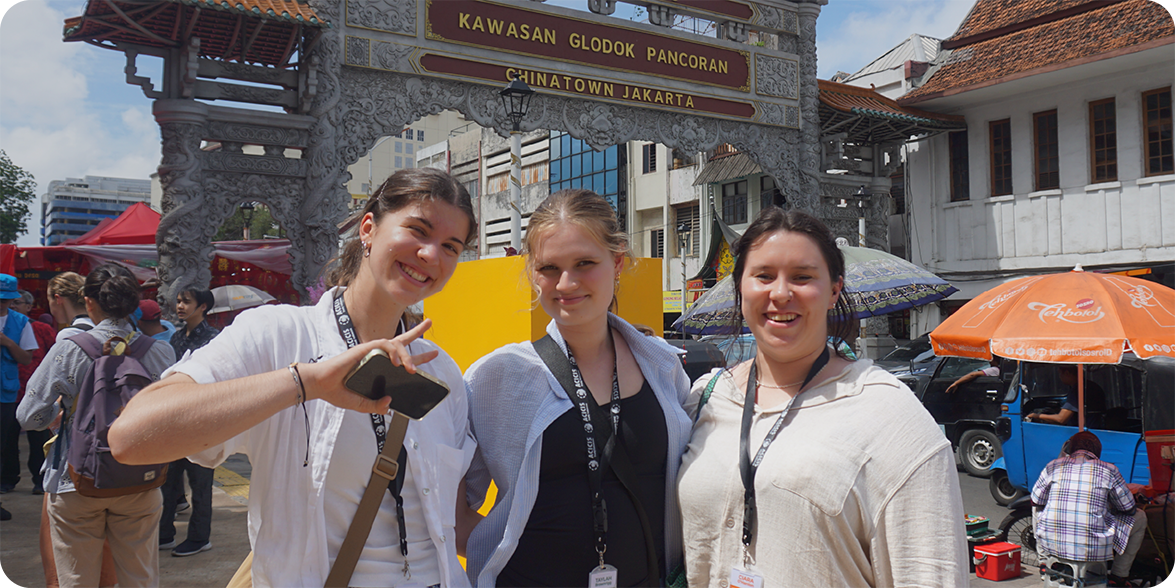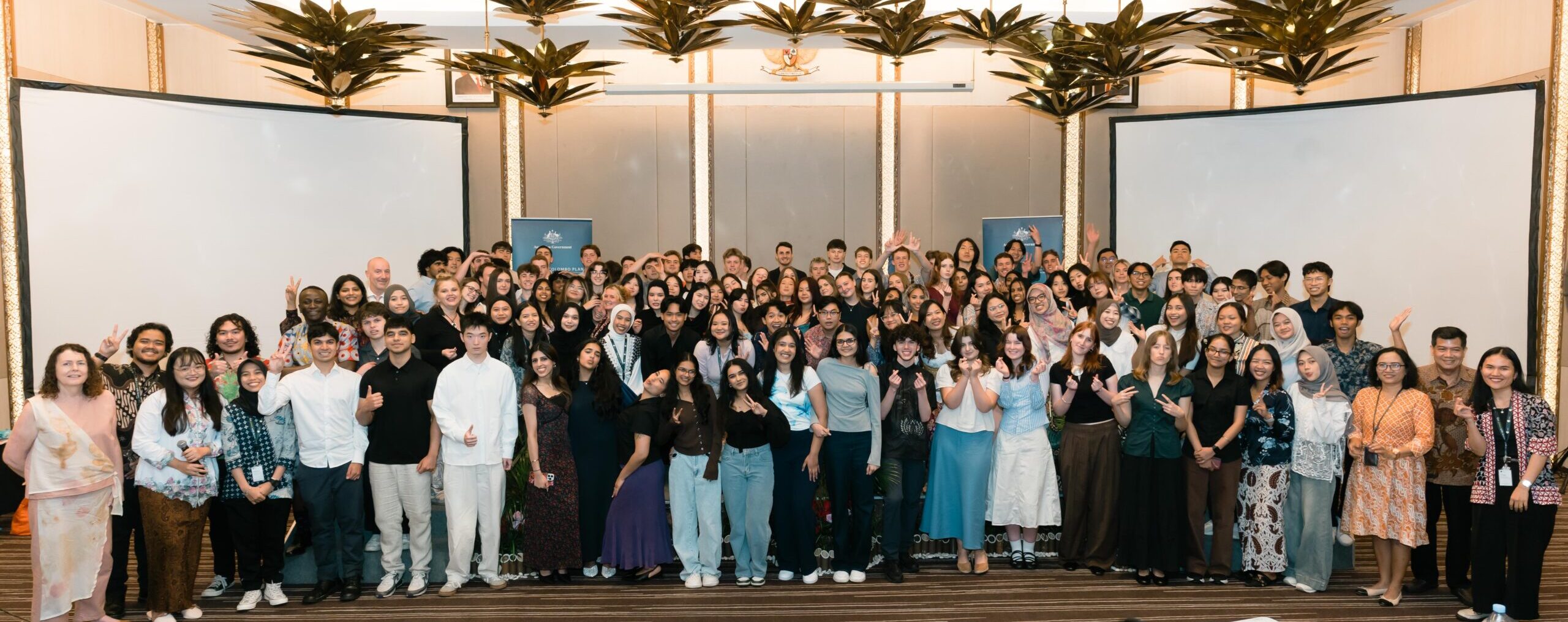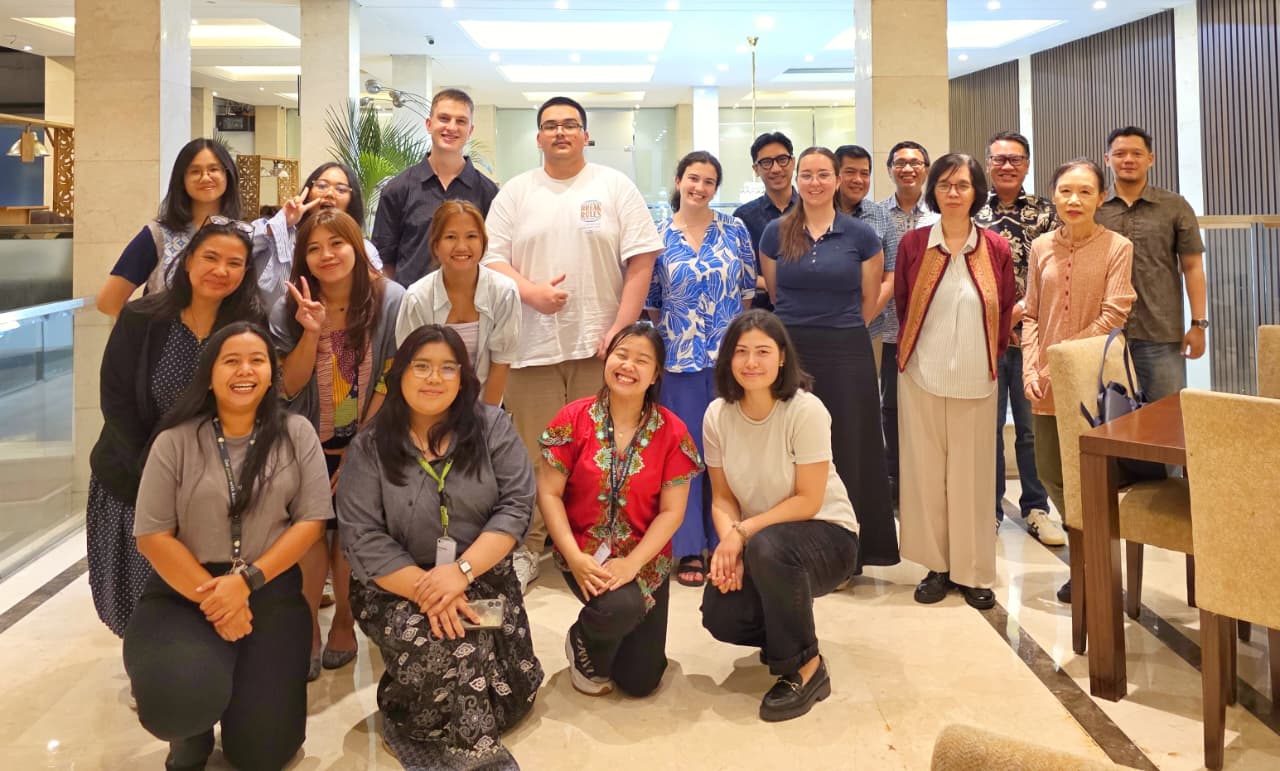

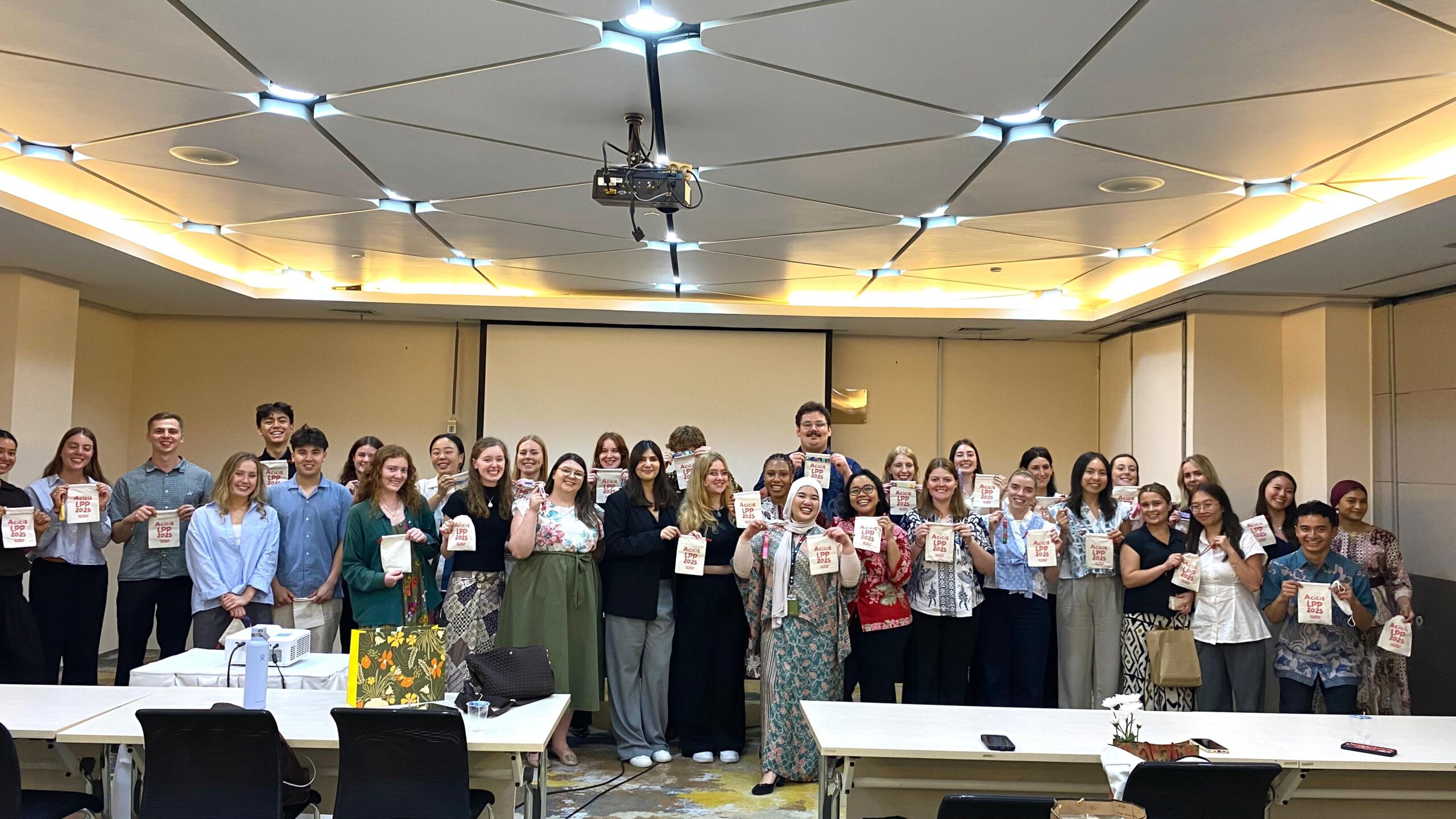
During the November–December 2025 intake, the Acicis Law Professional Practicum Program proudly hosted 32 students representing nine esteemed Australian universities: Monash University, the University of Melbourne, La Trobe University, Deakin University, the University of Technology Sydney, the Australian National University, Griffith University, the University of Queensland, and the University of Western Australia. Of these participants, 30 were awarded the $4,000 New Colombo Plan mobility grants from the Australian Government. The diverse backgrounds of the cohort fostered a vibrant and engaging learning atmosphere, highlighting the program’s strong commitment to promoting cross-cultural understanding.
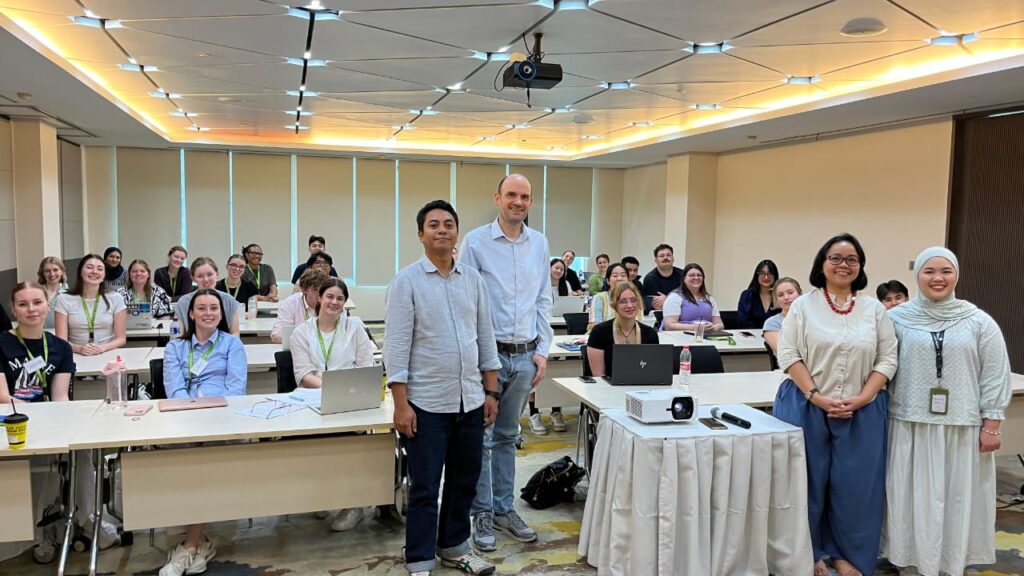
Program Delivery and Academic Leadership
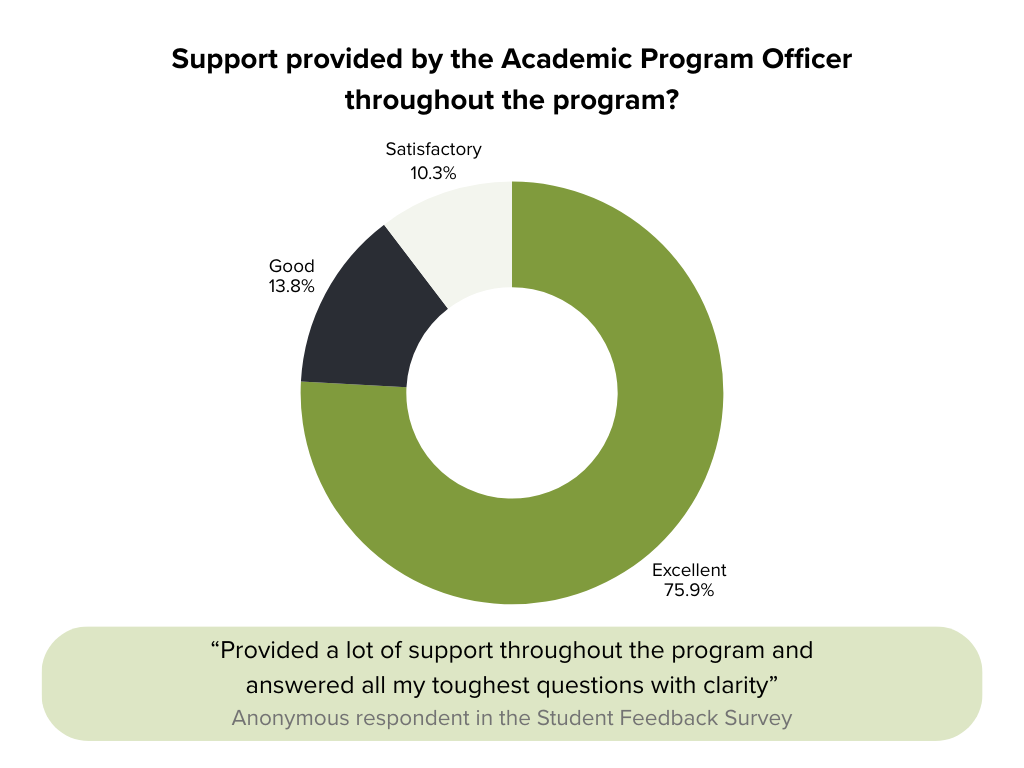
The November–December cohort of the Acicis Law Professional Practicum (LPP) Program was delivered by a dedicated academic team comprising Dr Theresia Dyah Wirastri as Academic Program Officer and Nadira Inayah as Program Assistant. Working collaboratively, they oversaw both the academic and operational delivery of the program, ensuring a cohesive and enriching experience for students throughout the practicum.
With a background in Socio-Legal Studies, Dr Dyah brought an interdisciplinary perspective to the academic content, fostering discussions that appealed to students interested not only in doctrinal law but also in its intersections with sociology, environmental studies, and gender studies. This approach complemented the program’s broader aim of encouraging critical and contextual engagement with Indonesian law.
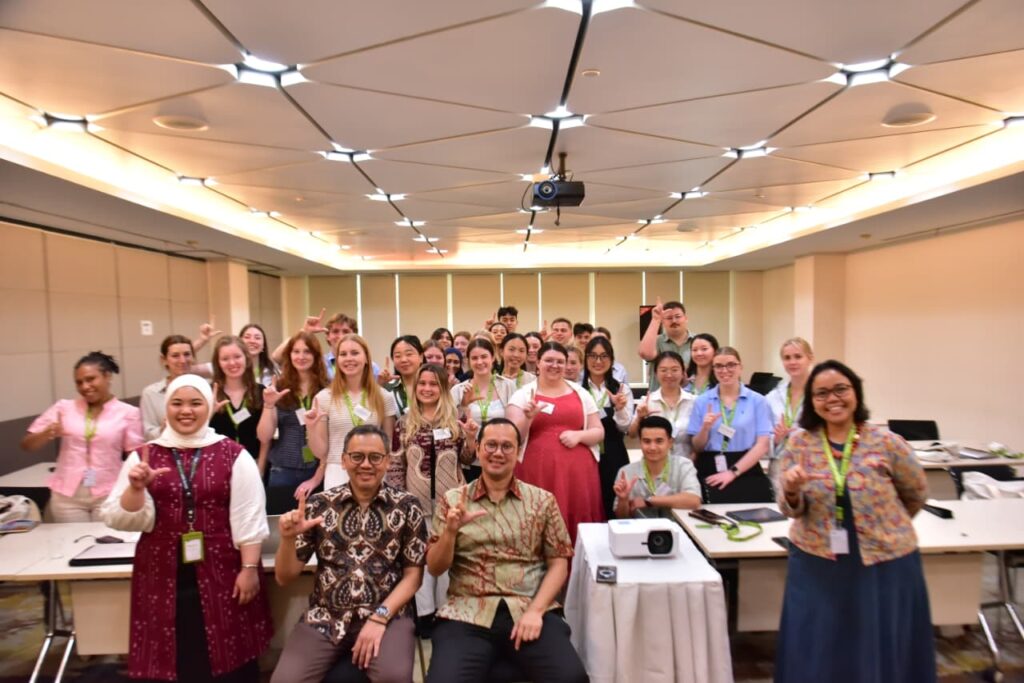
Exploring Contemporary Issues: In-Country Seminars
The in-country seminars allowed students to engage more deeply with current legal developments in Indonesia. One session examined evolving trends and challenges in international business law and commercial dispute resolution, viewed from the perspective of foreign investors. This seminar was particularly valuable for students with an interest in business law, given Indonesia’s rapidly developing regulatory landscape and recent legal reforms.

Another seminar focused on legal pluralism in Indonesia, exploring the interaction between state law, adat (customary) law, and religious law, particularly in the areas of family law and customary practices. Exposure to Indonesia’s legal diversity and deeply rooted pluralism resonated strongly with students, especially those interested in social justice and community-based legal systems.
The final seminar addressed institutional, legal, and human rights developments in the Reformasi era, inviting students to critically examine the future of the rule of law in Indonesia. Participants explored key challenges that characterised the pre-Reformasi period, including authoritarian governance, limited judicial independence, and systemic corruption. While confronting, this session was frequently cited by students as one of the most engaging and impactful components of the program.
In-Country Experience: Two Field Trips Exploring Many Sides of Law in Indonesia
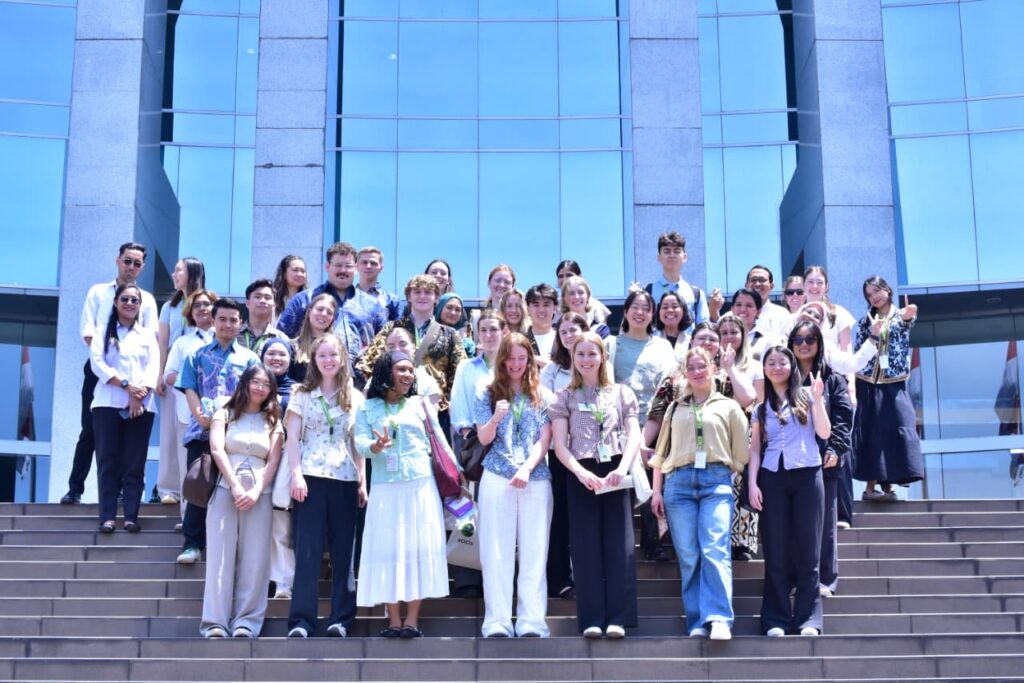
One of the field trips took students to the Judicial Commission of the Republic of Indonesia, an institution established following the 1998 Reformasi to strengthen judicial accountability and independence. Students gained insight into the Commission’s role in maintaining checks and balances within Indonesia’s rule of law framework. Many were intrigued by the institution’s ongoing relevance and impressed by Indonesia’s continued commitment to upholding judicial oversight despite persistent legal and political challenges.
The second field trip brought students to Kampung Adat Cirendeu, a customary village that continues to uphold adat traditions, particularly those rooted in Sundanese culture and the Sunda Wiwitan belief system. As an indigenous belief originating from ancestral teachings, Sunda Wiwitan emphasises cultural values, moral integrity, and harmony with nature. This visit marked a departure from the LPP’s usual focus on law offices and formal legal institutions, reflecting the cohort’s strong interest in legal pluralism and customary law.

Students were warmly welcomed by the local community and introduced to traditional practices, including prayers and cultural dances. They also learned to play the angklung, a traditional musical instrument, and participated in weaving activities using natural leaves. Through these experiences, students gained a deeper appreciation of how pluralism, recognition, and customary law continue to coexist within Indonesia’s modern legal system. For many, the visit was both a humbling and memorable highlight of the program.
Professional Placements
A core component of the Law Professional Practicum (LPP) is the professional placement, through which students undertook supervised work experience across a range of legal institutions in Jakarta. For this cohort, the program partnered with 16 host organisations, offering students exposure to diverse legal practices and advocacy environments.
Placements included five law firms—Bagus Enrico & Partners, Avya Law Firm, Muhtar Halim & Partners, Situmorang & Partners Lawyers, and Hutabarat & Halim Lawyers—as well as two legal aid organisations, LBH Masyarakat and LBH APIK. Students were also placed at a national commission, Komnas Perempuan. The remaining host organisations comprised civil society organisations and legal think tanks, including ICEL, IJRS, HUMA, Konsorsium Pembaruan Agraria, PSHK, LEIP, and Perludem.
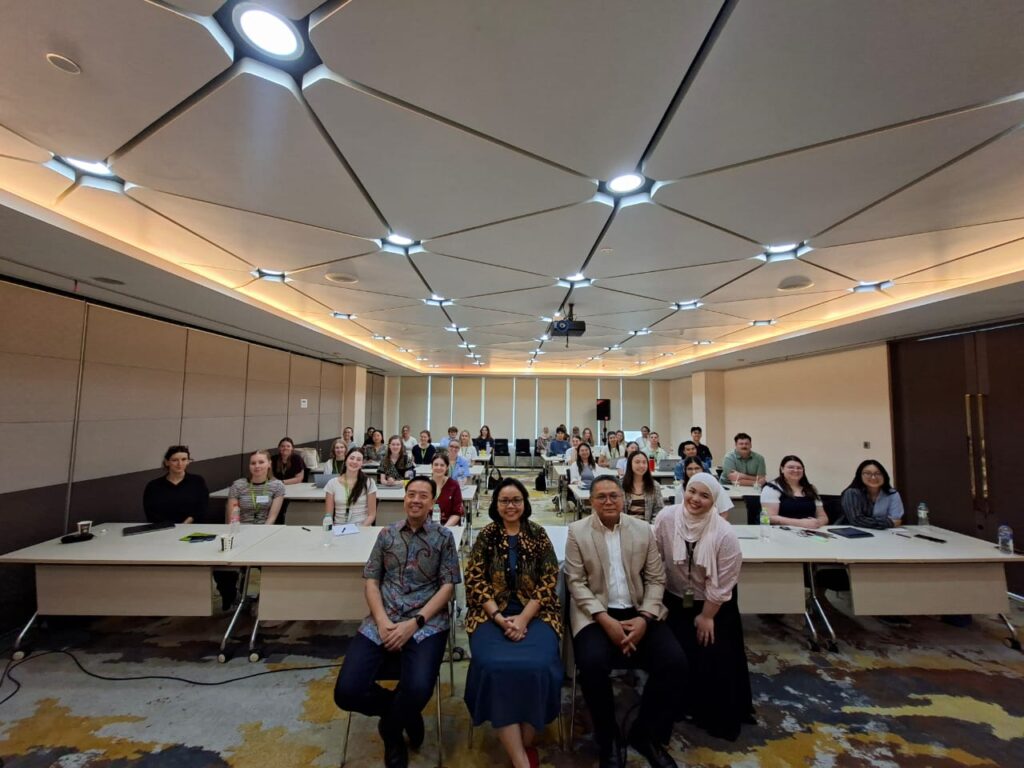
Students placed in law firms gained first-hand exposure to Indonesia’s business and commercial legal landscape. Their work included matters related to employment law, as well as emerging areas such as technology, media and telecommunications (TMT), and intellectual property law. These placements also provided opportunities to observe court proceedings, allowing students to better understand how Indonesia’s courts operate in practice. Many firms encouraged students to undertake independent research aligned with their academic interests, allowing for a flexible and personalised learning experience.
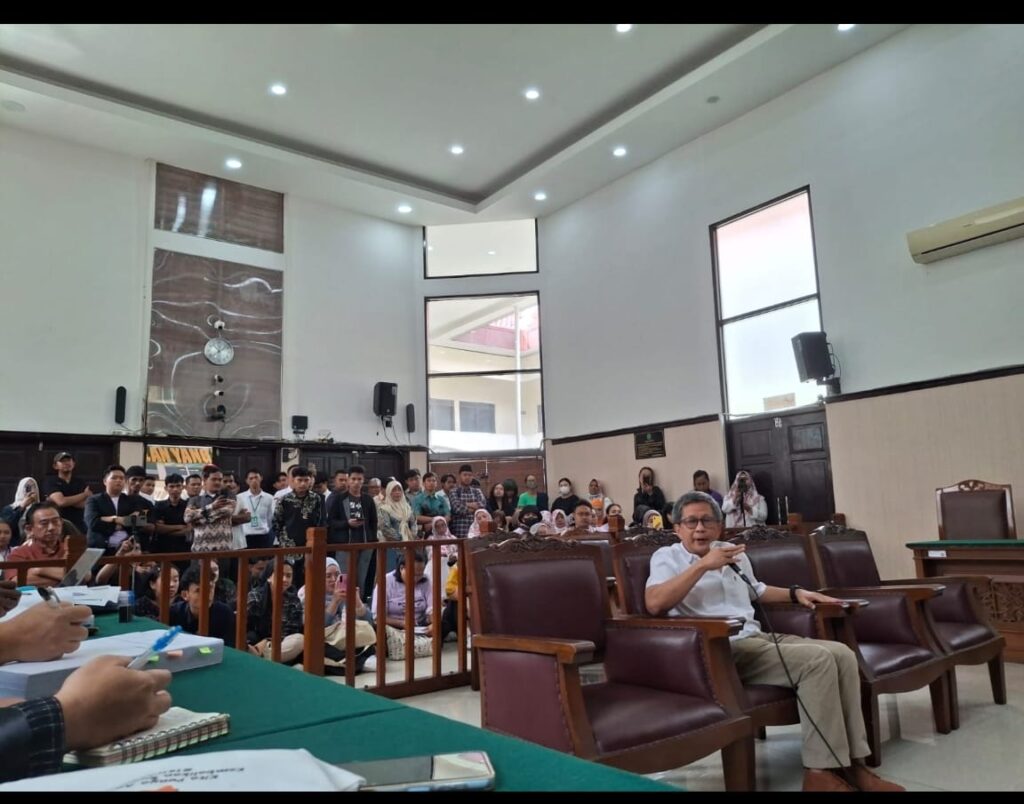
Students placed with legal aid organisations were involved in advocacy-focused work. As the cohort took place toward the end of the year, several students contributed to annual reporting and ongoing advocacy initiatives. Some also assisted with cases addressing pressing legal issues in Indonesia, including matters related to freedom of expression.
Placements within civil society organisations and think tanks offered a dynamic and field-oriented experience. Students engaged in research and advocacy activities that often required travel and close collaboration with activists, community members, legal practitioners, researchers, and policymakers. These placements exposed students to a broad range of legal and policy issues, including environmental governance, rule of law, judicial reform, legal policy development, and agrarian reform. For many participants, the placements provided valuable insight into the intersection of law, policy, and social change in Indonesia.
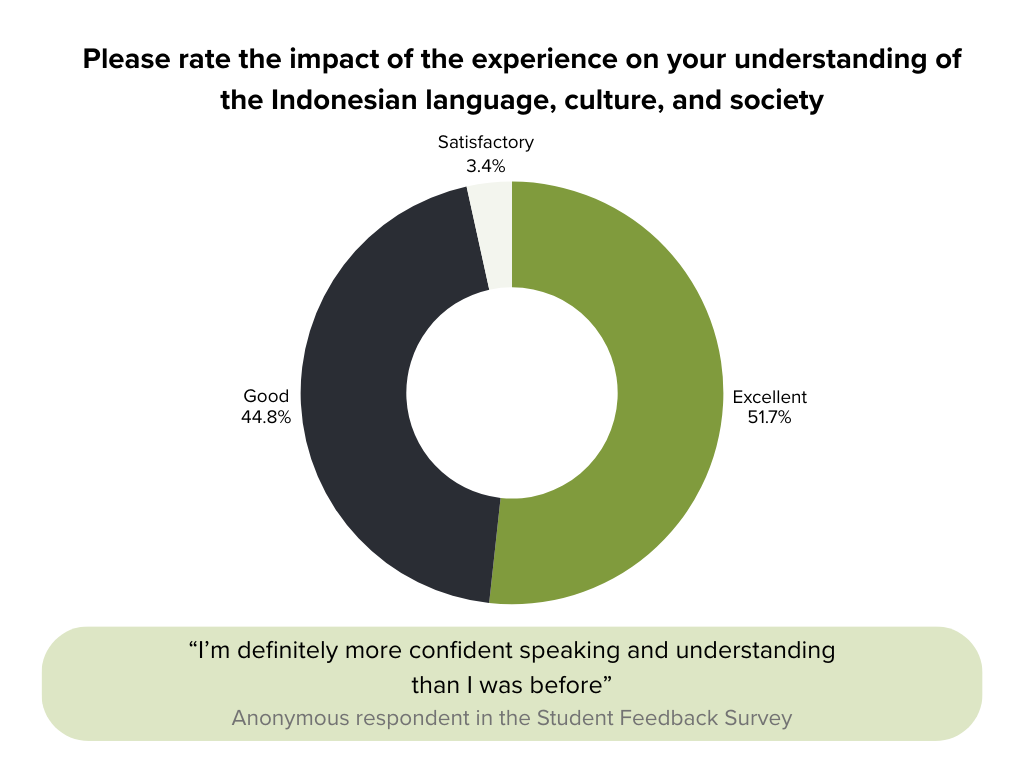
Student Feedback Highlights & Stories
 |  |
Angelica Hargreaves is a Bachelor of Laws student at Griffith University who is one of the New Colombo Plan mobility grant recipients for this program. The LPP renewed her motivation to pursue work in policy, governance, and public-interest settings. You can read more of her experience here.

Sampai jumpa lagi di Indonesia!
Learn more about the Law Professional Practicum (LPP) here